

Introduction
Finding the perfect piece of land for your off-grid, self-sufficient homestead is a crucial step towards realizing your dream of sustainable living. This guide will provide you with an in-depth checklist to help you evaluate potential properties and ensure that you make an informed decision.
Water Sources
☐ Access to a reliable water source (well, spring, stream, or pond)
☐ Water quality testing (check for contaminants, minerals, and pH levels)
☐ Potential for rainwater harvesting or catchment systems
☐ Availability of water rights or permits (if required in your area)
Need a suggestion for a well pump? Check HERE
Get your water quality testing kits HERE
Considerations

You’ll want to estimate the daily/monthly water needs for your planned homestead activities (household use, gardening, livestock, etc.). Along with this, assess the potential yield or flow rate of the available water source(s) to ensure it can meet your needs. Finally, consider seasonal variations in water availability (e.g. streams drying up in summer).
Look for a comprehensive rain collection guide from us in the future!
Soil Quality and Topography
☐ Soil testing (pH levels, nutrient content, drainage, and texture)
☐ Suitability for gardening, farming, or livestock grazing
☐ Slope and terrain (flat or gently sloping land is ideal for building and cultivation)
☐ Potential for erosion or flooding (FLOODPLAINS ARE BAD, even if they are a “good deal”)
☐ Does the land provide natural security and access control
Get your soil test kits HERE
Considerations
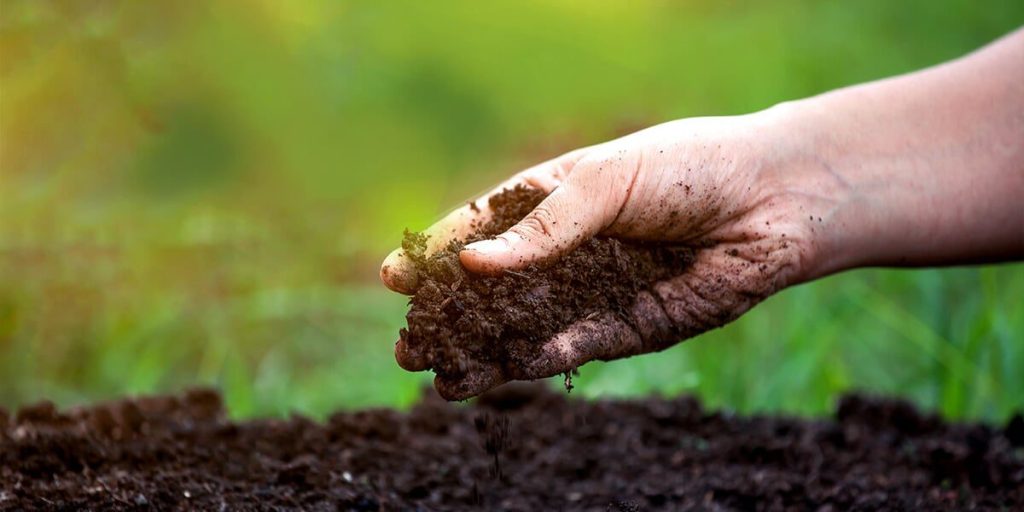
In addition to basic soil testing and evaluating suitability for gardening or grazing, it’s crucial to analyze the soil’s composition, structure, and ability to retain moisture and nutrients. Checking for obstructions like rocks and assessing drainage issues or areas prone to waterlogging is also important. The availability of organic matter, compost, and natural fertilizers should be considered to maintain soil fertility.
Microclimates, sun exposure, frost pockets, and wind patterns can significantly impact plant growth and should be evaluated. Erosion risks from wind, water, or slopes must be identified, along with any existing or needed erosion control measures.
If the soil has been previously contaminated, remediation options like phytoremediation or soil amendments should be explored while considering costs and feasibility. Thoroughly examining these factors ensures the land can support sustainable food production for the long-term.
Additionally, the topography can play a role in the overall security and defensibility of your homestead. Properties with elevated vantage points or natural barriers like hills, ridges, or dense vegetation can offer a degree of privacy and protection from potential threats. Conversely, low-lying areas or properties with limited visibility may be more vulnerable to trespassing or unwanted intrusions.
Climate and Weather Patterns
☐ Average temperatures and precipitation levels throughout the year
☐ Potential for extreme weather events (hurricanes, tornadoes, wildfires, etc.)
☐ Microclimates and sun exposure (for solar power and gardening)
☐ Wind patterns (for wind power or shelter considerations)
Considerations
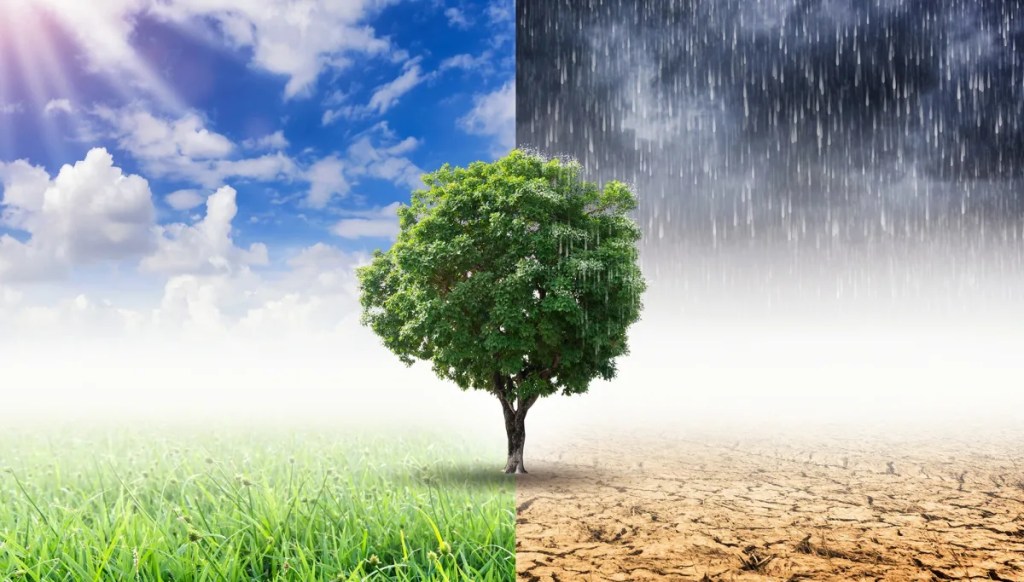
It’s crucial to research the historical climate data and long-term trends for the area, including any potential impacts of climate change on future weather patterns. Pay close attention to the timing and duration of seasonal changes, as well as the likelihood of prolonged periods of drought, heavy rainfall, or severe storms.
Assess the property’s vulnerability to natural disasters like flooding, landslides, or forest fires, and identify any existing mitigation measures or the need for additional precautions.
Consider the impact of weather patterns on crop growth cycles, livestock management, and the overall sustainability of your planned agricultural activities. Additionally, evaluate the potential for harnessing natural climate conditions for passive heating, cooling, or ventilation strategies in your homestead design, which can significantly reduce energy demands and increase self-sufficiency.
Renewable Energy Potential
☐ Solar exposure and potential for solar power
☐ Wind patterns and potential for wind turbines
☐ Access to geothermal energy or hydropower (optional)
☐ Availability of incentives or rebates for renewable energy systems (optional)

Get started in solar HERE
Considerations
One of the key factors to assess is the solar exposure and suitability for installing solar power systems. Analyze the property’s sun exposure throughout the year, taking into account potential shading from trees, buildings, or topographical features. Ideal locations will have ample southern exposure (in the northern hemisphere) and minimal obstructions.
Additionally, research local wind patterns to determine if the site is suitable for wind turbines, which can complement solar power or serve as a primary energy source. If the property is located near a geothermal hotspot or has access to a reliable water source like a stream or river, explore the feasibility of harnessing geothermal or hydropower energy. Ideally, you would combine ALL of these technologies into one system.
It’s also important to investigate any available incentives, rebates, or tax credits offered by your state or local government for installing renewable energy systems, as these can significantly offset the upfront costs.
Look for a full write-up for designing your own solar system, and our in-house solar power calculator in the future!
Building and Zoning Regulations
☐ Local zoning laws and building codes
☐ Restrictions on off-grid living, alternative energy sources, or homesteading activities
☐ Permits required for construction, wells, septic systems, or other infrastructure
☐ Easements or right-of-way issues
Considerations
It’s crucial to research any specific regulations or ordinances related to alternative building methods, such as earthships, straw bale construction, or tiny homes, as some areas may have restrictions or additional permitting requirements. Investigate the rules surrounding rainwater harvesting, greywater recycling, and composting toilets, as these sustainable practices may be regulated differently. Understand the setback requirements for structures, livestock enclosures, and agricultural activities to ensure compliance.
Additionally, inquire about any limitations on the number of dwellings or outbuildings allowed on the property, as well as regulations surrounding home-based businesses or cottage industries you may want to operate. It’s also wise to explore any potential property tax implications of living off-grid or implementing alternative energy systems. These are evils you will have to live with as long as society remains as it is until “Right of Boom.”
Access and Infrastructure
☐ Proximity to roads and ease of access (especially during inclement weather)
☐ Potential for installing utilities (electricity, water, septic, etc.)
☐ Availability of internet or cellular service (if desired)
☐ Distance from emergency services (fire, medical, etc.)
☐ Easement (is the property legally accessible by road?)
Considerations
It’s crucial to assess the condition and quality of existing access roads or trails leading to the property, as well as the potential for creating new access routes if needed. Consider the terrain and any obstacles such as easement availability that may hinder the transportation of materials and equipment during construction or emergencies.
Again, we will touch on off-grid power generation. Evaluate the feasibility of installing alternative power sources like solar or wind systems, and research local regulations regarding off-grid utilities.
Noticing a trend here? WATER! Identify potential water sources beyond traditional municipal systems, such as wells, springs, or rainwater harvesting. Determine the capacity for on-site waste management through septic systems or composting toilets. DO NOT waste your time on a piece of land without some kind of water access. Relying on weather patterns for your primary water source is only going to work out one way, and its not the way you fantasize about.
Natural Resources and Wildlife
☐ Presence of natural resources (timber, minerals, etc.)
☐ Wildlife habitats and potential for hunting or foraging
☐ Potential for conflicts with wildlife (bears, coyotes, etc.)
☐ Availability of grazing land or pastures for livestock
Considerations
Assess the diversity and abundance of native plant species, as they can provide valuable resources for foraging, medicinal purposes, or sustainable harvesting. Identify any endangered or protected species in the area and understand the regulations surrounding their habitats. Consider the potential impact of your homesteading activities on local ecosystems and take steps to minimize disturbances.
Evaluate the presence of invasive species and develop strategies for controlling their spread. Determine if the property has any unique geological features, such as rock formations or caves, which could offer opportunities for exploration or shelter. Investigate the potential for sustainable timber harvesting or agroforestry practices, ensuring compliance with local regulations.
Assess the carrying capacity of the land for livestock and the availability of water sources for grazing animals. Understand the migratory patterns and behaviors of local wildlife to mitigate potential conflicts and implement appropriate deterrents or protective measures.
Community and Neighbors
☐ Proximity to towns or cities (for supplies and amenities)
☐ Presence of like-minded homesteading or off-grid communities
☐ Potential for bartering or trading with neighbors
☐ Local laws and regulations regarding homesteading activities
Considerations
Assessing the property’s seclusion and privacy from neighboring properties or public areas is crucial, as excessive noise, light, or activity can disrupt the tranquility of the homestead and leave it open to unwanted guests.
Light pollution maps are the best way to find those hidden gems away from large population centers. The less light there is, the less people. Of course, this will impact accessibility to infrastructure, but the whole point is to create your own off-grid self reliant spot, right? That might not be a deal breaker for you. You can access the tool at Lightpollutionmap.com.

It’s also important to research the demographics, values, and attitudes of the local community towards self-sufficiency, alternative lifestyles, and homesteading activities to gauge potential conflicts or support systems. Additionally, consider the availability of local resources, such as farmers’ markets, co-ops, or community gardens, which can facilitate networking, knowledge-sharing, and sourcing of locally-grown produce or livestock for your homestead.
Know the Risks and Hazards in the Area
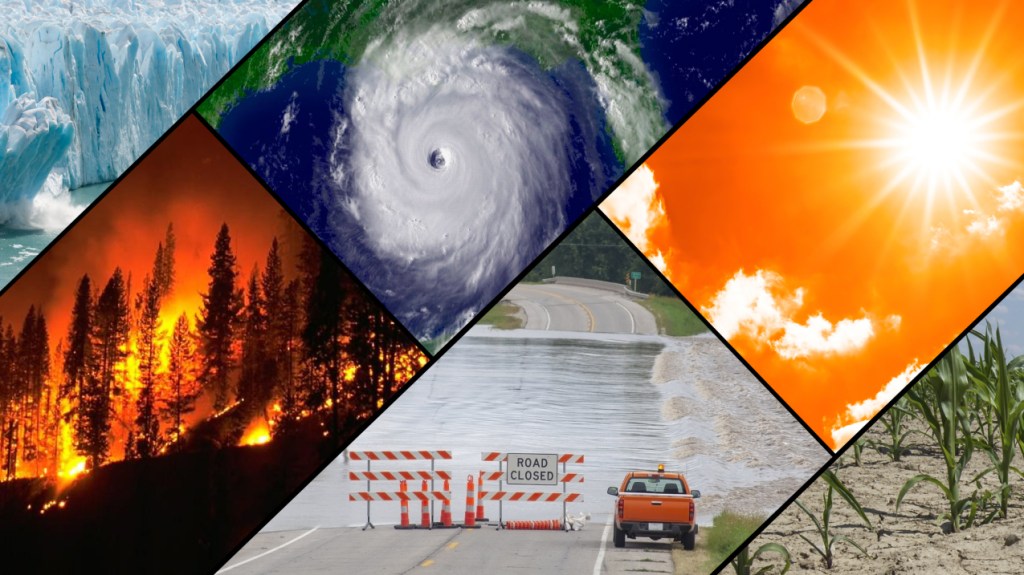
When it comes to natural and man-made disasters, having access to accurate and up-to-date information from reliable sources is crucial for preparedness and response efforts. County emergency managers play a vital role in disseminating this information to the public.
Determining the risks in your area require you to conduct a Threat and Hazards Identification and Risk Assessment (THIRA). Luckily, for you, most States have done the leg work, and that information is usually publicly accessible with some digging. If you are in Missouri, or are planning on relocating to Missouri, that information is found at the Missouri State Emergency Management Agency (SEMA) Official Website.
Most county emergency management agencies maintain websites or social media pages where they regularly post updates, advisories, and resources related to potential or ongoing disasters in their area. These platforms serve as valuable information hubs, providing details on emergency preparedness, evacuation routes, shelter locations, road closures, and other critical information during crisis situations.
Additionally, many counties offer alert systems that send notifications directly to residents’ phones or email addresses, keeping them informed about imminent threats or emergencies. To access this information, simply visit your county’s emergency management website or follow their official social media accounts. Some counties may also have dedicated hotlines or public information officers who can provide specific details or answer inquiries related to disaster preparedness and response efforts in your local area.
Future Considerations
☐ Potential for future expansion or development
☐ Availability of additional land for purchase (if needed)
☐ Long-term sustainability and self-sufficiency potential
☐ Resale value and marketability (if applicable)
By considering these future-oriented factors, you can make a more informed decision about the long-term viability and potential of the land for your off-grid homesteading goals. It’s essential to think beyond just the immediate needs and envision how the property can support your long-term aspirations for self-sufficiency, sustainability, and potential growth or changes in land use.
Conclusion
Finding the ideal property for your off-grid homestead is a complex process that requires careful consideration of numerous factors. While this guide provides a comprehensive checklist to aid in your evaluation, it’s important to remember that every situation is unique, and your specific needs and priorities should ultimately shape your decision-making process.
Securing a reliable water source, assessing soil quality and topography, understanding climate patterns, and exploring renewable energy potential are crucial steps in ensuring the long-term viability and sustainability of your homestead. Additionally, navigating legal and regulatory requirements, evaluating access and infrastructure, and considering the impact on natural resources and wildlife are essential aspects that cannot be overlooked.
Equally important is the consideration of community dynamics, potential for future growth, and the overall alignment of the property with your long-term vision for self-sufficiency. It’s essential to approach this process with a holistic mindset, recognizing that each factor is interconnected and can significantly influence the success of your off-grid living endeavors.
Ultimately, the journey to finding the perfect homestead land is a deeply personal one, reflecting your values, goals, and commitment to a sustainable lifestyle. Embrace the challenges and opportunities that arise along the way, and remember that patience and perseverance are key virtues in this pursuit.
By diligently applying the principles outlined in this guide and remaining open to learning and adapting, you increase your chances of finding a property that not only meets your immediate needs but also provides a solid foundation for generations to come. Embrace the adventure, and may your search lead you to a place where you can truly forge a life of resilience and harmony with nature.


Leave a reply to Community Building for Disaster Preparedness: A Comprehensive Guide – Cancel reply