
Introduction
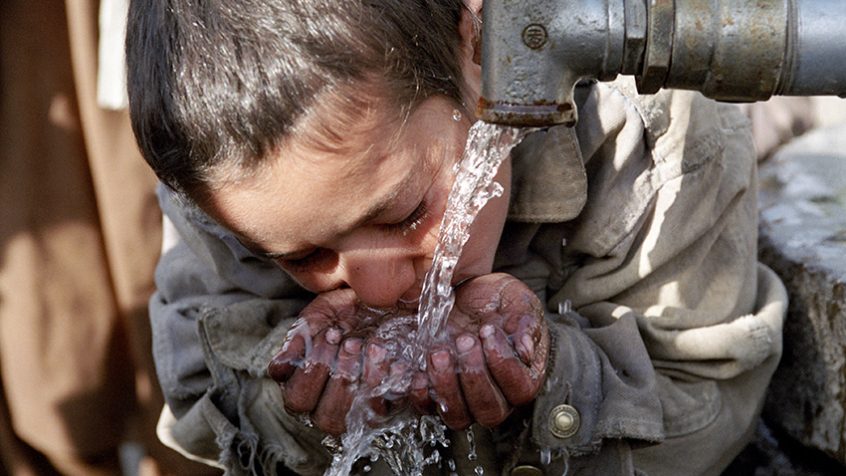
In any survival scenario, access to clean, potable water is an absolute necessity. Without it, dehydration and waterborne illnesses can quickly become life-threatening concerns. While having a reliable water filtration system is crucial, it’s equally important to understand various methods of gathering water from unconventional sources. This comprehensive guide will cover both aspects, equipping you with the knowledge and skills to secure safe drinking water, even in the most challenging circumstances.
Part 1: Handheld Water Filters
Handheld water filters are a popular choice among preppers, hikers, and outdoor enthusiasts due to their portability and ease of use. These compact devices allow you to filter water on the go, making them invaluable in survival situations where access to clean water sources is limited.
The Sawyer Line of Water Filters
One of the most widely recognized and trusted brands in the handheld water filter market is Sawyer. Their line of filters, including the Sawyer Squeeze, Sawyer Mini, and Lifestraw, have gained a reputation for their effectiveness and durability.
Sawyer Squeeze Water Filter
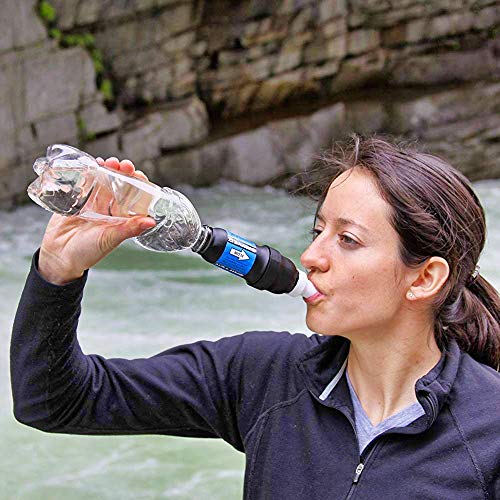
The Sawyer Squeeze is a versatile and highly efficient water filter that can remove up to 99.99999% of bacteria, protozoa, and microplastics from water sources. It features a high-flow hollow fiber membrane that can filter up to 100,000 gallons of water, making it an excellent long-term solution for survival situations.
Grab one HERE
Sawyer Mini Water Filter
The Sawyer Mini is a compact and lightweight version of the Squeeze, designed for backpackers and hikers who prioritize minimalism. Despite its small size, it offers the same impressive filtration capabilities as its larger counterpart, making it a valuable addition to any bug-out bag or emergency kit.
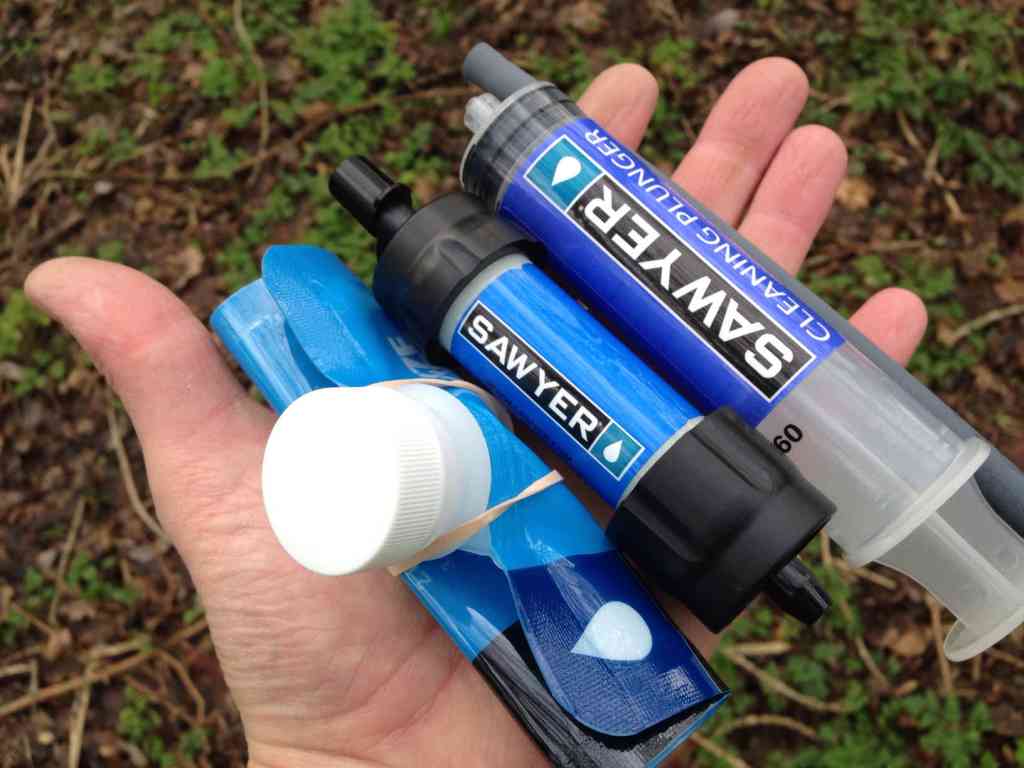
This was my personal choice for my backpacking trip to the Sangre De Christo mountains last year. I drank exclusively out of this filter for a week without boiling or iodine. If you have never tasted fresh snow runoff out of a mountain stream, you haven’t lived… 24 thousand other users on Amazon agree.
Grab one HERE
Lifestraw
The LifeStraw is a innovative and highly portable water filtration device designed for individual use. At just 9 inches long and weighing only 2 ounces, the LifeStraw is incredibly compact and easy to carry, making it an essential addition to any hiking, camping, or emergency preparedness kit.
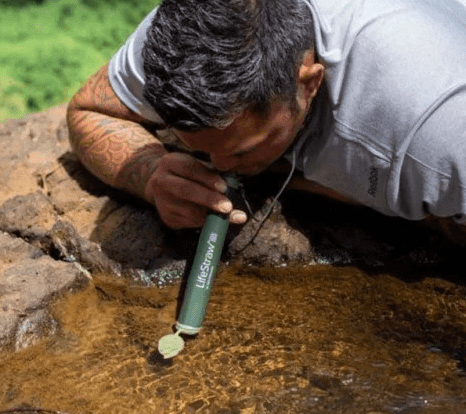
The filter utilizes a hollow fiber membrane that removes 99.9999% of waterborne bacteria and 99.9% of waterborne protozoan parasites, ensuring safe drinking water from virtually any freshwater source. With a filter lifespan of up to 1,000 gallons, the LifeStraw provides a reliable and long-lasting solution for accessing clean water in remote or emergency situations. Its simplicity and effectiveness have made it a popular choice among outdoor enthusiasts, travelers, and preppers alike, offering peace of mind and protection against waterborne illnesses in areas with compromised water quality.
Grab one HERE
Water Bottle Filters
While DIY water filters can be effective in survival situations, there are also several manufactured bottle water filter options available on the market. These filters are designed for portability and convenience, making them a popular choice for hikers, campers, and preppers alike.
Brita Water Bottles
Brita is a well-known brand in the water filtration industry, and they offer a range of water bottles with built-in filters. These bottles are designed to remove chlorine, sediment, and other contaminants from tap water, providing clean and refreshing drinking water on the go.
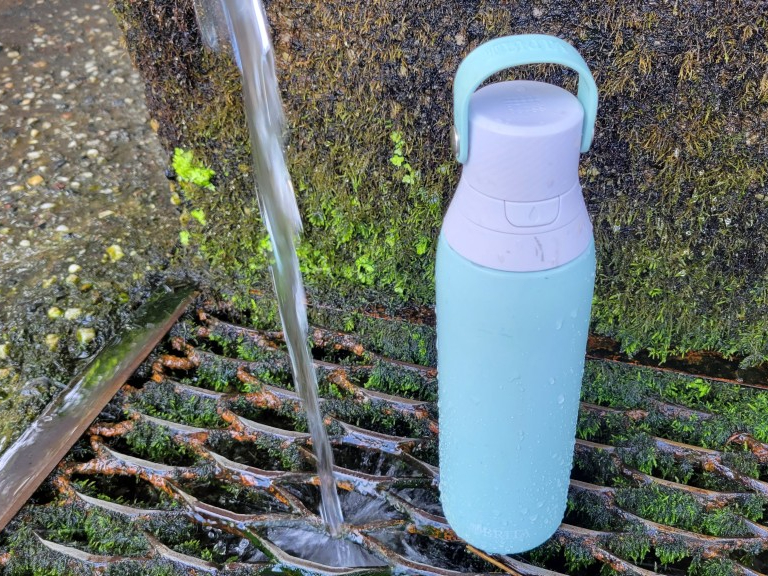
The Brita Premium Filtering Water Bottle is one of their popular models, featuring a filter that can reduce the taste and odor of chlorine, as well as reduce cadmium, mercury, and certain pesticides. The filter is designed to last for up to 40 gallons or about two months of typical use.
Grab one HERE
LifeStraw Go Water Bottle
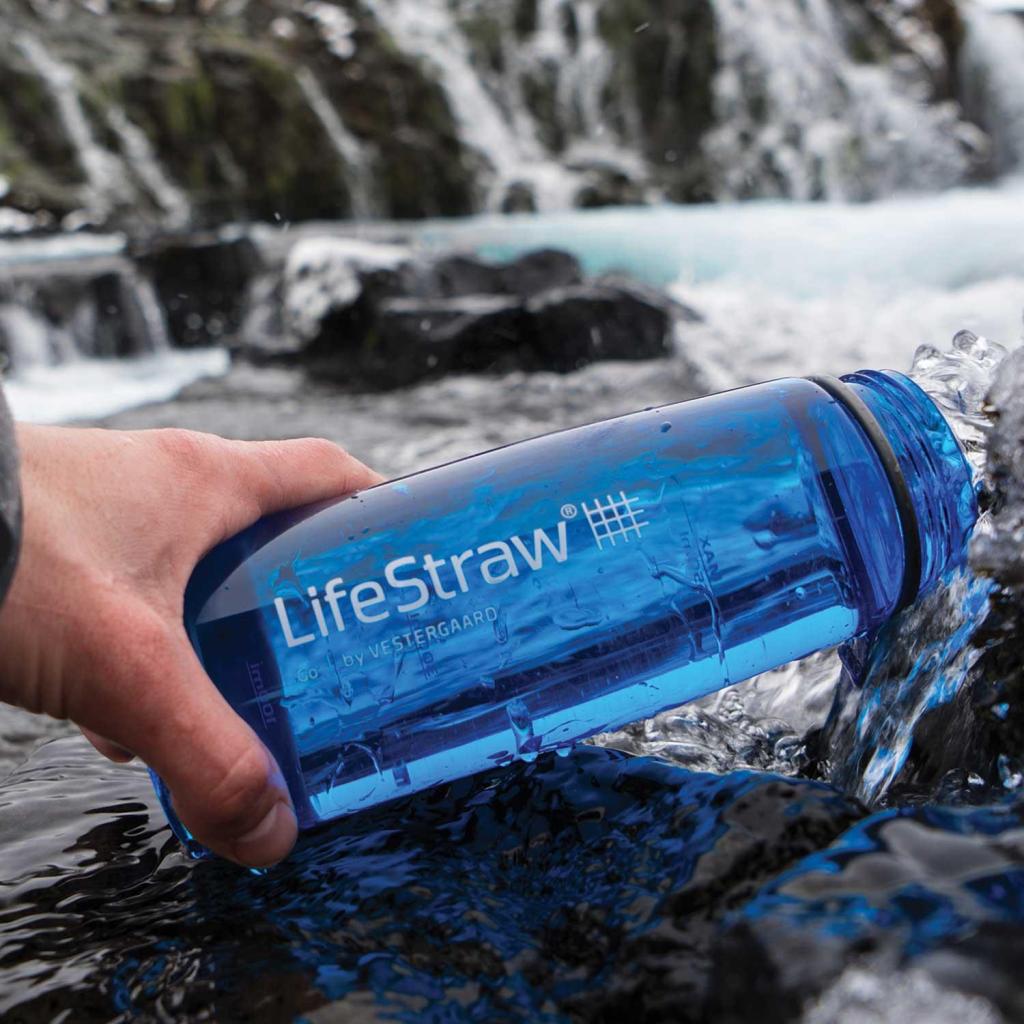
The LifeStraw Go Water Bottle is a versatile and highly portable water filtration solution. It features a two-stage filtration system that removes bacteria, protozoa, and microplastics from water sources. The first stage is a hollow fiber membrane filter that removes 99.999% of bacteria and protozoa, while the second stage is a carbon capsule that reduces chlorine, organic chemical matter, and improves taste.
Grab one HERE
Grayl UltraPress Water Purifier
The Grayl UltraPress is a unique water purification system that combines a filter and purifier in one compact bottle. It uses a replaceable cartridge that removes viruses, bacteria, protozoa, particulates, and many chemical contaminants from water sources.
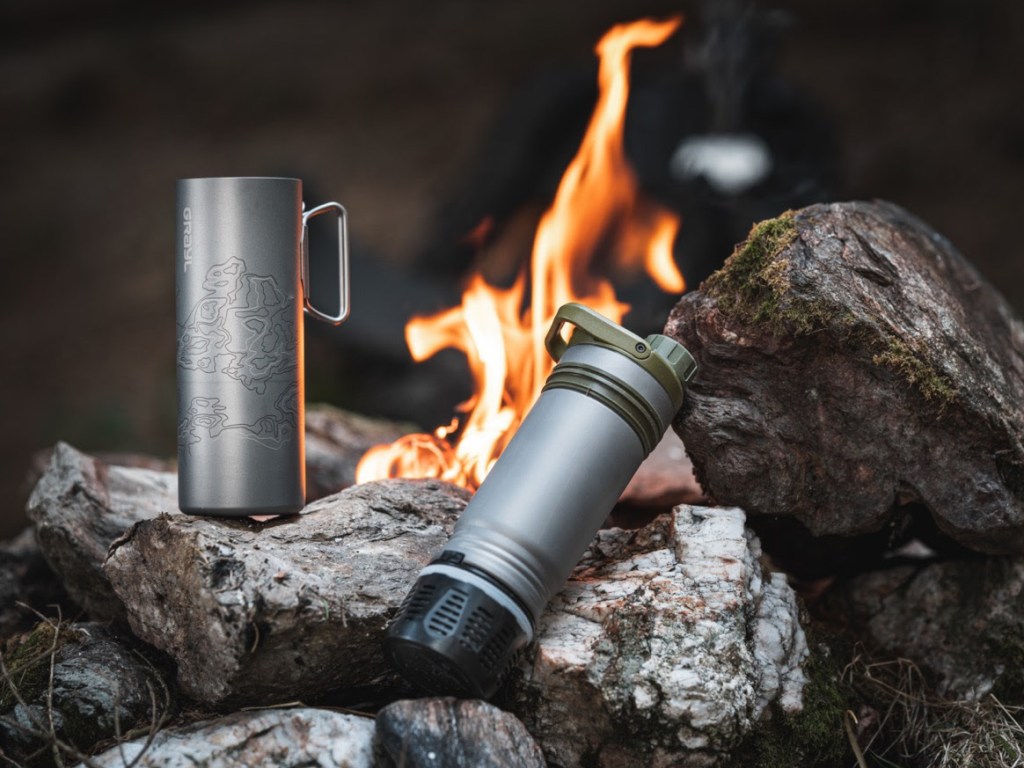
The UltraPress can purify up to 16.9 ounces (500ml) of water in just 10 seconds, making it a convenient and efficient option for outdoor adventures or emergency situations. Did I mention it’s made of titanium? You can filter and boil in the same container with this one.
Grab one HERE
Using Handheld Water Filters
Handheld water filters are relatively straightforward to use. Most models come with a pouch or bottle that you fill with untreated water from a source like a stream, river, or lake. The filter is then attached to the pouch or bottle, and you simply squeeze or suck the water through the filter, collecting the clean water in a separate container.
It’s important to follow the manufacturer’s instructions carefully, as improper use or maintenance can compromise the filter’s effectiveness. Additionally, handheld filters have a limited lifespan and will eventually need to be replaced, so it’s essential to keep track of their usage and replace them as recommended.
Part 2: DIY Water Filters
While handheld water filters are convenient and effective, they may not always be available or practical in certain survival situations. In such cases, it’s essential to have the knowledge and skills to construct your own water filtration systems using readily available materials. DIY water filters can be an affordable and sustainable solution, especially when resources are scarce.
DIY and Survival Options
One of the simplest and most accessible DIY water filters can be made using plastic bottles and various filtration media. These filters are easy to construct and can be customized to suit your specific needs and available materials.
Gravel and Sand Filter
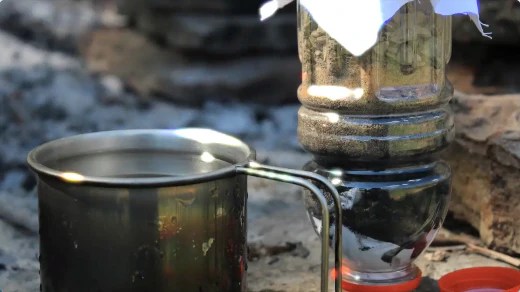
This basic filter design involves layering different filtration media, such as gravel, sand, and activated charcoal, inside a plastic bottle. The gravel acts as a pre-filter, removing larger particles, while the sand and charcoal help remove smaller contaminants and improve the water’s taste and odor.
This basic filter design involves layering different filtration media, such as gravel, sand, and activated charcoal, inside a plastic bottle. The gravel acts as a pre-filter, removing larger particles, while the sand and charcoal help remove smaller contaminants and improve the water’s taste and odor.
Ceramic Filter
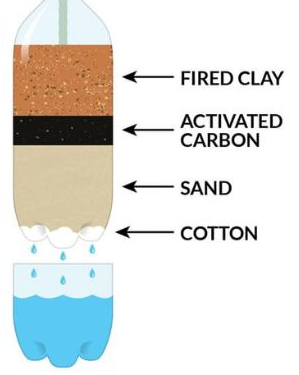
Ceramic filters are another popular DIY option. These filters are made by creating a porous ceramic element, often using a mixture of clay and combustible materials like sawdust or rice husks. The ceramic element is then fired, creating a network of microscopic pores that can effectively remove bacteria and protozoa from water.
Biosand Filter
Biosand filters are a more advanced DIY option that combines biological and physical filtration processes. These filters consist of a concrete or plastic container filled with layers of gravel, sand, and a biological layer that develops over time. As water passes through the filter, the biological layer helps remove pathogens and contaminants, providing a reliable source of clean water. This isn’t really an ideal solution for a survival situation, and is more oriented toward off-grid and self-sustainment living.
Choosing the Right Filtration Media
When constructing DIY water filters, it’s essential to choose the appropriate filtration media. Common materials like gravel, sand, and activated charcoal can be effective, but you may also need to consider other options depending on the specific contaminants present in your water source.
For example, if you’re dealing with heavy metal contamination, you may need to incorporate materials like zeolite or iron oxide to help remove these pollutants. Similarly, if you’re concerned about chemical contaminants, activated carbon or specialized resins may be necessary.
It’s also important to consider the flow rate and capacity of your DIY filter. Larger filters with more filtration media will generally have a higher flow rate and capacity, but they may also be more challenging to construct and maintain.
Part 3: Water Gathering Techniques
In survival situations, finding and accessing water sources can be just as challenging as filtering the water itself. It’s essential to have a variety of techniques at your disposal to gather water from unconventional sources, such as condensation, vegetation, and even the air.
Condensation and Desalination
Condensation is a natural process that can be harnessed to collect and purify water. One simple method involves using a clear plastic sheet or tarp to create a makeshift solar still.
Solar Still
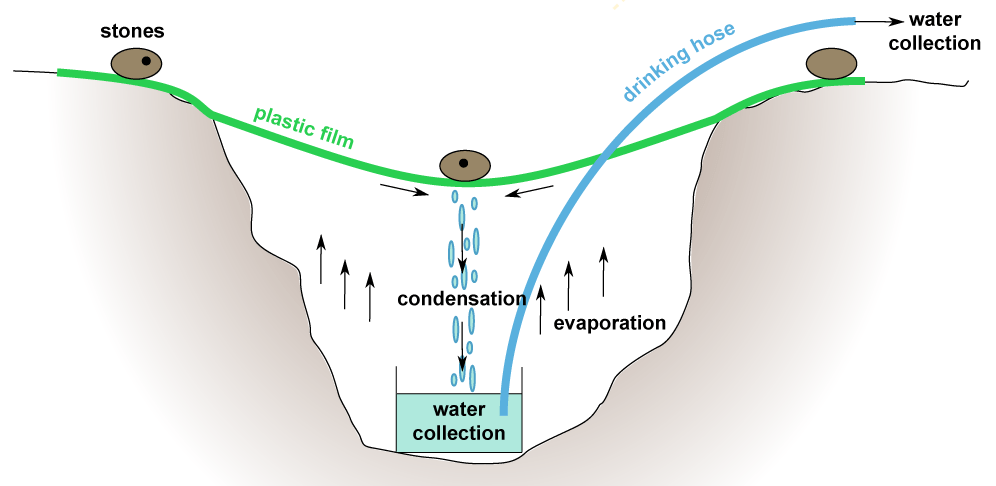
To construct a solar still, dig a shallow pit in the ground and place a container in the center. Cover the pit with a clear plastic sheet, weighing down the edges with rocks or soil. Place a small rock or weight in the center of the plastic sheet, creating a cone shape that directs condensation into the container below.
As the sun’s heat causes moisture in the soil to evaporate, the water vapor condenses on the underside of the plastic sheet and drips into the container, providing a source of clean, distilled water.
Desalination
Condensation can also be used for desalination, a process that separates salt from water. This technique is particularly useful in coastal or marine environments where freshwater sources are scarce.
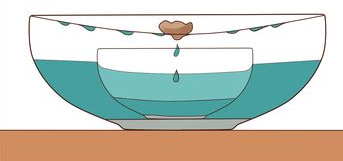
To desalinate water using condensation, you’ll need a container with a lid or cover. Place the saltwater in the container and suspend a smaller container or cup above the water level. As the saltwater evaporates, the freshwater vapor will condense on the lid or cover and drip into the suspended container, leaving the salt behind.
Vegetation and Atmospheric Water
In addition to condensation, you can also gather water from vegetation and even the air itself. These methods may not provide large quantities of water, but they can be invaluable in survival situations when other sources are unavailable.
Transpiration Bags
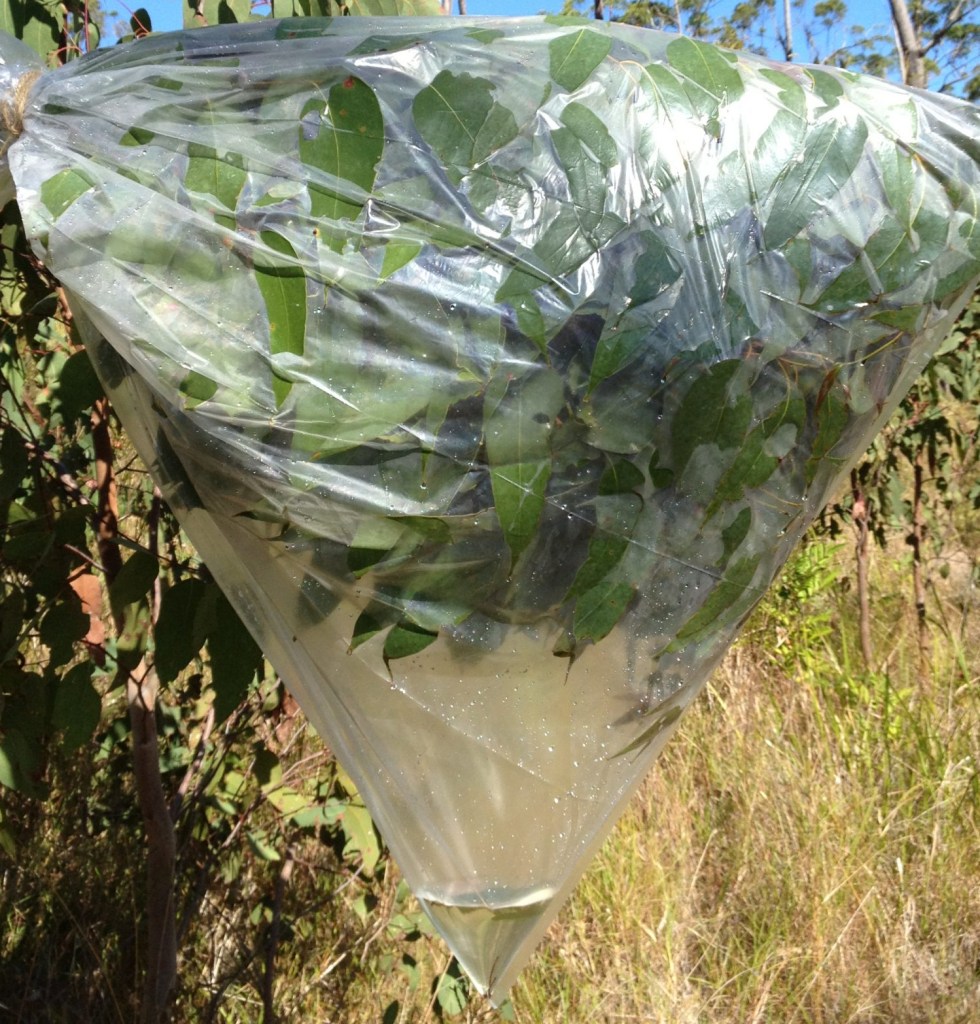
Transpiration bags are a simple yet effective way to collect water from living plants and trees. These bags are made from clear plastic and are tied around a leafy branch or stem. Often, these are your run of the mill shopping bags or other lightly/transparent colored trash bags. As the plant transpires (releases water vapor), the vapor condenses inside the bag, providing a source of clean water. Be sure to check the bag for holes, as this will allow the water vapor and water to escape. This is a time consuming process, so this should not be your first option, unless it’s your only option.
Atmospheric Water Generators
Atmospheric water generators (AWGs) are devices that extract water vapor from the air and condense it into liquid water. While these devices can be expensive and require a power source, they can be a valuable asset in arid or desert environments where other water sources are scarce.
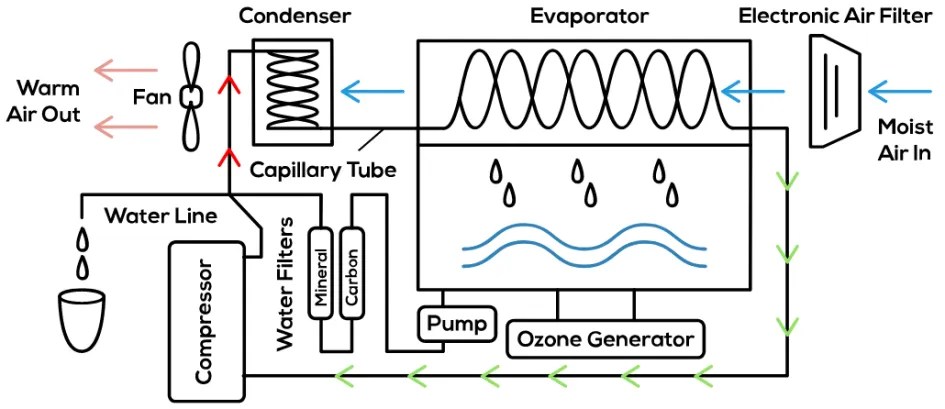
DIY atmospheric water generators can be constructed using materials like a cooler, a fan, and a condensation surface. As the fan draws in air, the condensation surface cools the air, causing the water vapor to condense and collect in a container. This the how a basic air conditioning system works. The biproduct of the cooling process creates excess water that runs off into a drain in your house, or off the bottom of your car.
Other Water Gathering Techniques
In addition to the methods mentioned above, there are several other techniques that can be employed to gather water in survival situations:
Dew Collection
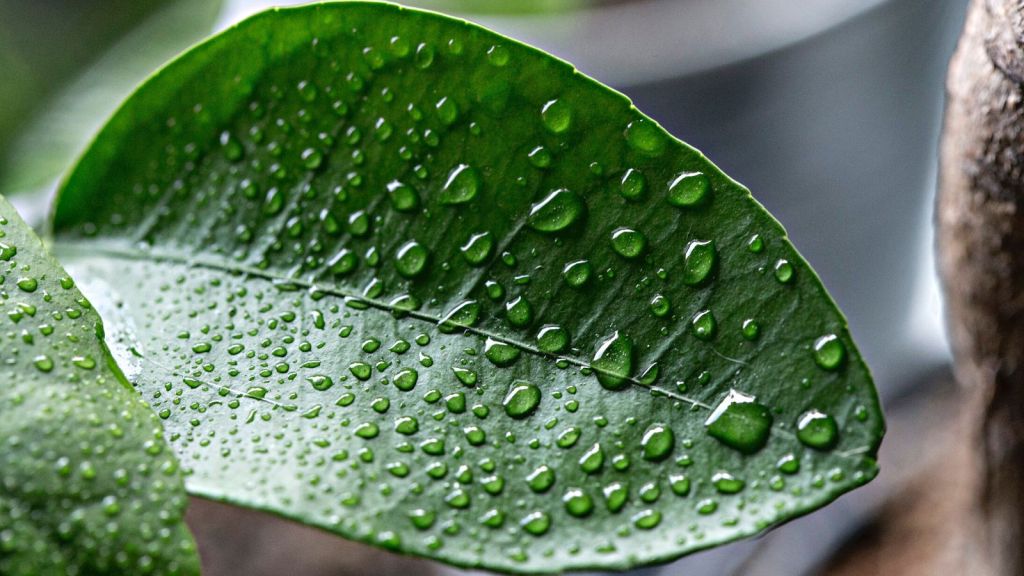
Dew is a natural source of water that can be collected by tying absorbent materials, such as cotton or linen, around your ankles or wrists and wringing them out periodically.
Rainwater Harvesting
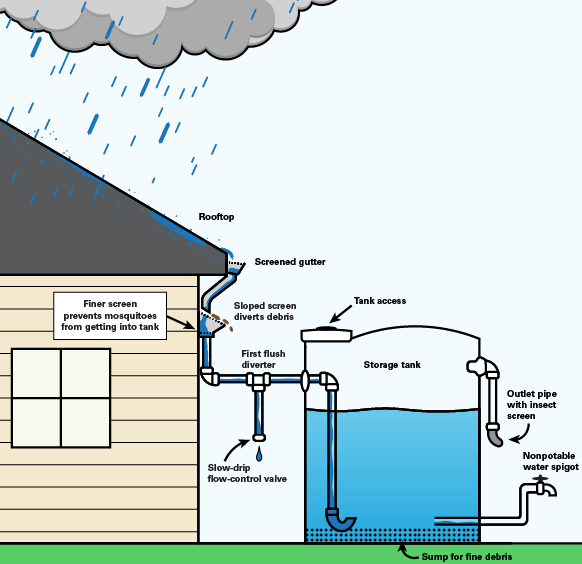
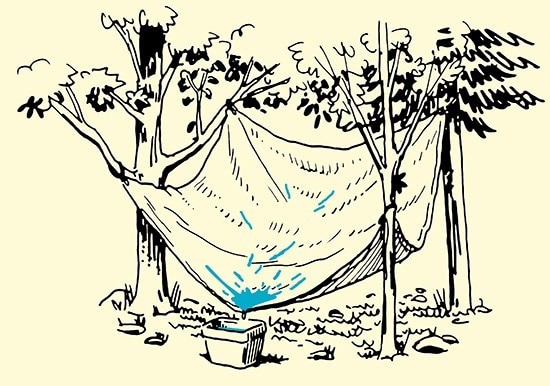
In areas with regular rainfall, rainwater can be collected using tarps, plastic sheets, or even clean containers. It’s important to ensure that the collected rainwater is properly filtered or treated before consumption.
Ground Seepage
In some areas, water may seep from the ground or collect in low-lying areas. These seepage points can be identified by looking for areas of lush vegetation or moisture in the soil. Once located, you can dig a small hole or trench to collect the seeping water.
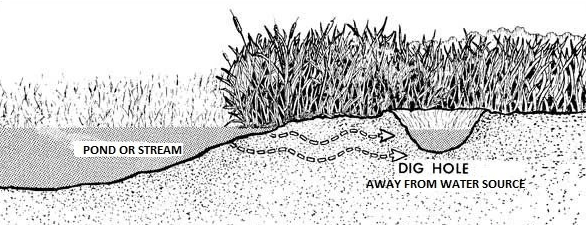
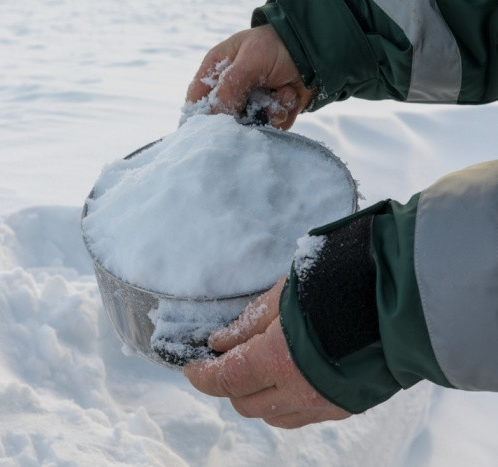
Snow and Ice Melting
In cold environments, snow and ice can be melted to provide a source of water. It’s important to melt the snow or ice using a clean container and to avoid consuming the water until it has been properly filtered or treated.
Part 4: Water Treatment and Purification
Regardless of the source or method used to gather water, it’s crucial to treat and purify the water before consumption. Untreated water can contain a variety of contaminants, including bacteria, viruses, protozoa, and chemical pollutants, which can cause serious illnesses.
Boiling
Boiling is one of the most effective and widely used methods for purifying water. By bringing water to a rolling boil and maintaining that boil for at least one minute (or three minutes at higher altitudes), you can effectively kill most harmful pathogens present in the water.
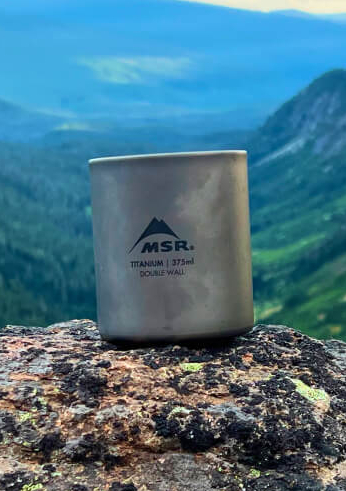
For lightweight and compact cooking needs on the trail, the MSR Titan 450 Cup is an excellent choice. Made from durable yet featherweight titanium, this versatile cup weighs a mere 3.5 ounces, making it an ideal addition to any backpacker’s kit. Its 450ml capacity is perfect for boiling water, rehydrating meals, or enjoying a warm beverage without adding unnecessary bulk. The foldable handle and graduated measurements etched on the side add convenience, while the hard anodized titanium construction ensures years of reliable use in the outdoors. Whether you’re an ultralight thru-hiker or a weekend warrior, the MSR Titan 450 Cup offers a practical and efficient solution for all your camp cooking and hydration needs.
Grab one HERE
Chemical Treatment
Chemical treatment is another popular method for purifying water in survival situations. There are several options available, including:
Chlorine Dioxide Tablets
Chlorine dioxide tablets are a convenient and effective way to treat water. These tablets release chlorine dioxide, a powerful disinfectant that can kill bacteria, viruses, and protozoa. Follow the manufacturer’s instructions carefully to ensure proper dosage and contact time.
Grab some HERE
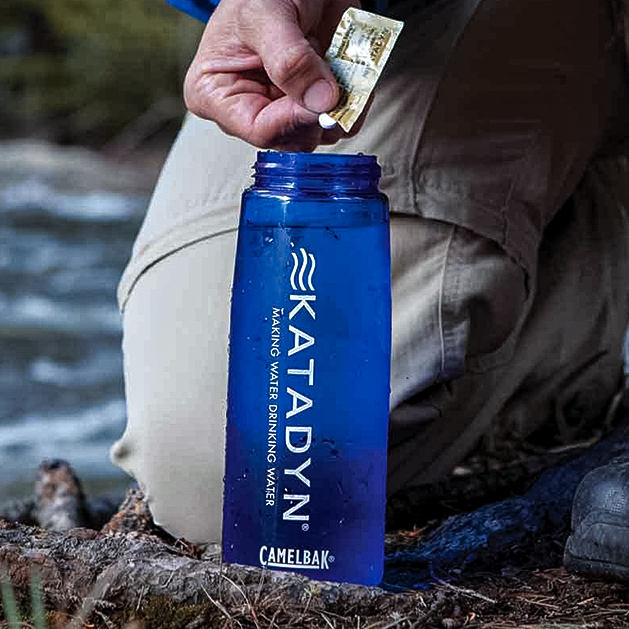
Household Bleach
In the absence of dedicated water treatment tablets, household bleach can be used as a last resort. However, it’s important to use only unscented, non-color-safe bleach and to follow strict dosage guidelines to avoid potential health risks.
An important note for chemical treatment: Be sure to allow the treated water to “bleed” over the threads of the bottle so that you do not ingest untreated water. Do this by securing the cap, turning the bottle upside down, and slowly unscrewing the cap until water leaks out. Allow a few ml to escape before securing the cap.
Iodine
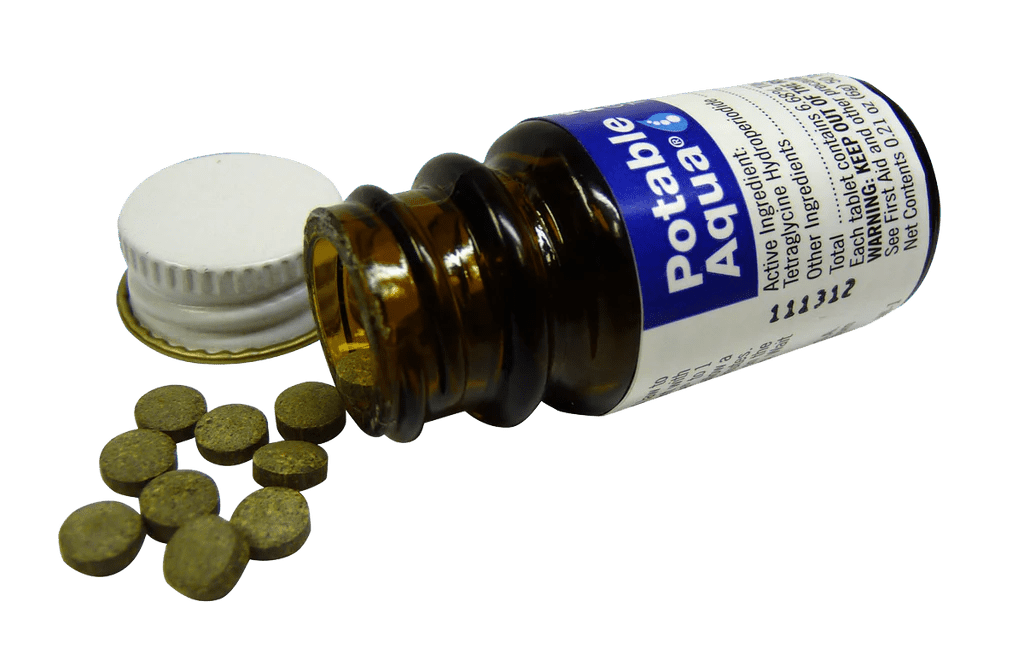
Iodine is another chemical treatment option that can be effective against a wide range of pathogens. Tincture of iodine or iodine tablets can be used to treat water, but it’s important to note that iodine can leave an unpleasant taste and may not be suitable for long-term use due to potential health concerns.
Grab some HERE
Solar Disinfection (SODIS)
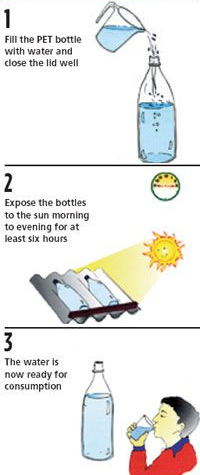
Solar disinfection, or SODIS, is a simple and environmentally friendly method for purifying water using the sun’s ultraviolet radiation. This technique involves filling clear plastic bottles or containers with water and exposing them to direct sunlight for at least six hours.
The UV radiation from the sun effectively inactivates and kills harmful pathogens in the water, making it safe for consumption. SODIS is particularly useful in areas with abundant sunlight and limited access to other water treatment methods.
Combination Approaches
In many survival situations, it may be necessary to combine multiple water treatment methods to ensure the highest level of safety and purity. For example, you could start by filtering the water through a DIY filter to remove larger particles and contaminants, followed by chemical treatment or boiling to kill any remaining pathogens.
It’s important to remember that water treatment and purification are crucial steps in ensuring the safety of your water supply. Neglecting these steps can lead to serious health consequences, including waterborne illnesses that can quickly become life-threatening in survival situations.
Conclusion
Access to clean, potable water is a fundamental necessity for survival, and having the knowledge and skills to secure this vital resource can mean the difference between life and death. Whether you’re relying on handheld water filters, constructing DIY filtration systems, or employing various water gathering techniques, being prepared and adaptable is key.
By understanding the strengths and limitations of different water filtration and gathering methods, you can create a comprehensive water strategy that suits your specific needs and circumstances. Remember, water is a precious resource, and taking the necessary steps to ensure its safety and availability can significantly increase your chances of survival in even the most challenging situations.


Leave a reply to Power Outage 3: Safely Heating and Cooking – Cancel reply