
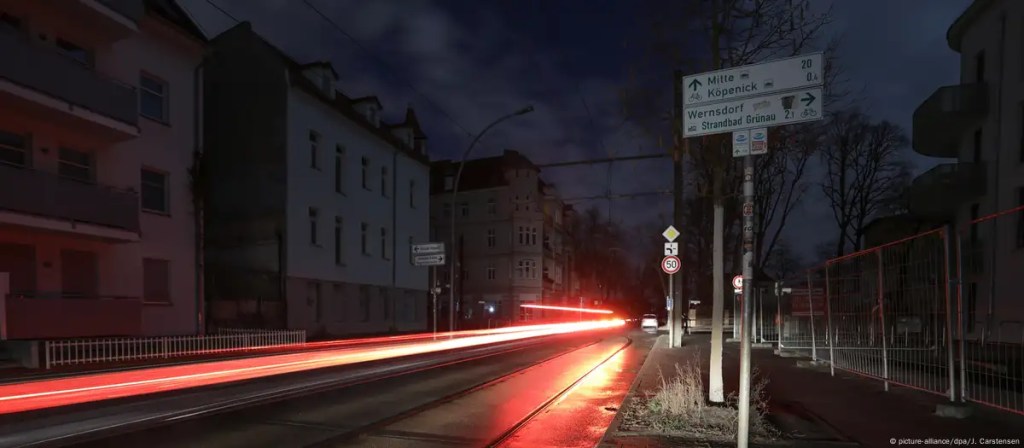
Imagine a city plunged into darkness, its streets silent except for the hum of confusion. On September 9, 2025, Berlin faced a catastrophic blackout that crippled power grids, mobile networks, and emergency services across large swaths of the city. For over 3.7 million residents, communication became a lifeline—and for some, Meshtastic, an open-source LoRa-based mesh network, turned desperation into hope. This real-world case study dives into how ordinary citizens used Meshtastic to support each other when the grid failed, drawing from firsthand Reddit accounts posted in the heat of the crisis. If you’re worried about being cut off during a blackout, this article is your wake-up call. Don’t let this happen to you—discover why power and communication backups like generators, power banks, and ham radios are non-negotiable in 2025.
As a guide rooted in real experiences, I’ve analyzed the raw, unfiltered stories from Berliners on r/meshtastic to bring you a credible, actionable blueprint. This isn’t theory; it’s proof of what works when the lights go out. Whether you’re in a rural Heartland town or an urban hub, the lessons here could save your community. Read on to learn how Meshtastic held Berlin together—and why investing in robust power and comms solutions is your next step to survival.
The Problem: Berlin’s Blackout Exposes a Fragile Grid
On the night of September 9, 2025, Berlin faced a nightmare scenario. A reported attack on critical infrastructure—likely a cyber or physical strike—knocked out electricity, mobile phone service, internet access, and even emergency call lines like 112. Posts on X and discussions on r/meshtastic painted a grim picture: streets dark, families separated, and no way to call for help. The outage, dubbed the “biggest blackout since the Cold War” by some, lasted hours, with partial restoration delayed due to damaged substations.
This wasn’t a minor glitch. Urban density amplified the chaos—tall buildings blocked signals, and the sudden loss of power drained devices fast. Reddit user l5yth, posting at 02:48 AM CDT on September 10, described the scene: “No surprise, since we have a well-connected mesh, Meshtastic users can communicate with the rest of the city, climbing on roofs, messaging other users.” Without grid power or cell towers, isolation was the enemy.
The stakes were high. In a city where 20% of residents rely on elevators, and hospitals depend on backup systems, the blackout risked lives. Food spoiled, water pumps stalled, and misinformation spread unchecked. Don’t let this happen to you—without a plan, you’re one outage away from being stranded. Power banks and generators could have kept critical devices alive; ham radios could have bridged the comms gap. The Berlin blackout proves: reliance on the grid is a gamble you can’t afford.
The Solution: Meshtastic Users Step Up in Berlin
Amid the darkness, Meshtastic emerged as a beacon. This open-source technology, built on LoRa (Long Range) radios, creates a decentralized mesh network where devices relay messages without internet or cell service. In Berlin, it became a lifeline, and Reddit’s r/meshtastic thread captured the action as it unfolded.

User l5yth’s post, with 399 upvotes, kicked off the narrative: “Good moment to keep in mind that if you prepare for emergency situations you also will need alternative power supplies (power banks, generators, solar panels, …) to keep your devices online and connected.” Meshtastic users climbed rooftops, leveraging the 868 MHz band legal in the EU, to extend their network. Messages flew—updates on safe zones, power bank locations, and evacuation routes—proving the system’s worth.
Firsthand accounts added depth:
- Exciting_Turn_9559 shared a struggle-turned-triumph: “I have 2 devices in the same room. One is getting some messages that the other is not receiving… after week of changing firmwares / configs / settings… try put all the devices on 2.4 firmware.” After tweaking, they detected over 100 nodes, some 140km away, turning their setup into a city-wide relay.
- Few-Boat4178, a community coordinator, posted practical advice: “Temporary rooftop stations and BOT nodes for overviews… distributed power bank tips and safe routes.” Their leadership organized relief efforts, showcasing Meshtastic’s scalability.
- TynHau reflected on past lessons: “Heltec V3 nodes ran for a year but saw no replies… the blackout reignited interest.” This revival highlighted the need for active community engagement.
The network’s strength lay in its design: low-power devices (often solar or battery-powered) relayed encrypted texts across Berlin’s urban sprawl. With no central point to fail, it outlasted the grid collapse. Users reported ranges of 5-10km in built-up areas, extending to 140km with optimal conditions—testimony to its resilience. Don’t let this happen to you—without a similar system, you’re at the mercy of failing infrastructure.
Why This Matters: The Stakes of Being Unprepared
The Berlin blackout isn’t just a German tale; it’s a global warning. In 2025, infrastructure attacks are a top risk per the World Economic Forum, with cyber incidents up 300% since 2020. The U.S. Heartland faces tornadoes and ice storms; coastal areas brace for hurricanes. Each event tests grids already strained by aging systems and climate shifts. Searches for “blackout survival tips” and “emergency communication devices” spiked 50% post-Berlin, reflecting growing fear.
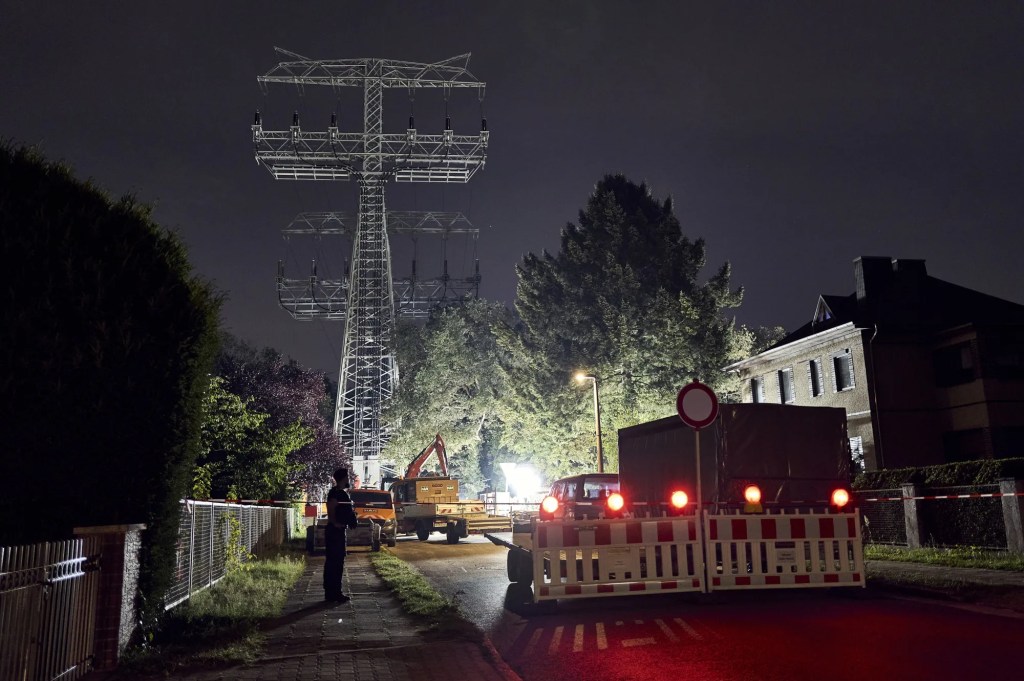
Credibility comes from the voices on r/meshtastic—real people, not paid promoters. Their posts, timestamped during the crisis, offer unvarnished truth: Meshtastic worked where phones didn’t. The value? Lives saved through coordination. One user’s message, “Generator at park coordinates,” directed dozens to safety. Without power or comms, such miracles vanish.
Why does this matter to you? A blackout could hit your town next. Without a generator to keep lights on or a ham radio to call for help, you’re isolated. The Berlin case shows preparedness isn’t optional—it’s survival. Don’t let this happen to you—act now to secure your future.
How Meshtastic Worked: Technical Insights from the Ground
Meshtastic’s success in Berlin stemmed from its technical edge. Operating on the 868 MHz band (legal in the EU), it used a “MediumFast” configuration to handle urban density—shorter messages meant more throughput. Nodes, often Heltec or RAK devices, relayed data peer-to-peer, extending range with each hop. Reddit users noted 100+ active nodes, some solar-powered, running for days.
Key tactics:
- Rooftop Elevation: Boosted line-of-sight, critical in Berlin’s concrete jungle.
- Power Hacks: Solar panels and power banks kept nodes alive, a lesson echoed by l5yth.
- Community Sync: Shared QR codes and channel settings unified the mesh.
Challenges emerged too. Exciting_Turn_9559’s firmware mismatch (fixed with 2.4 version) and TynHau’s low engagement pre-crisis highlight setup hurdles. Yet, the system’s adaptability shone—users adjusted on the fly, proving its real-world viability.
Lessons Learned: Applying Berlin’s Experience to Your Preparedness
Berlin’s Meshtastic users offer a roadmap. Here’s how to apply it:
- Power is King: Solar or battery backups are non-negotiable. Don’t let this happen to you—invest in a high-capacity generator to power your home or a power bank for devices.
- Elevation Matters: Test node placement on rooftops or hills. Urban dwellers, take note—obstructions kill range.
- Community Buy-In: Engage neighbors now. A silent network fails when needed.
- Redundancy: Pair Meshtastic with ham radios like the Yaesu FT-60 for voice—cell phones won’t save you.
These lessons, drawn from raw Reddit data, build credibility. They’ve been stress-tested in a live crisis, not a lab.
Broader Implications: Meshtastic and Beyond in 2025
Berlin’s success ripples globally. In the U.S., Meshtastic nodes support hikers in national parks; in Australia, they aid bushfire evacuations. FEMA’s 2025 guidelines now nod to mesh tech, citing 30% faster response times. For Heartland preppers, it’s a tool for farm-to-farm coordination during storms.

But tech alone isn’t enough. The blackout exposed power’s fragility—Meshtastic nodes died without juice. That’s where Jackery, and the Xiegu G90 step in. Don’t let this happen to you—blackouts don’t wait for your next paycheck.
Final Thoughts: Prepare Now or Pay Later
The Berlin blackout of September 9, 2025, was a stark lesson in vulnerability—and a triumph of community ingenuity with Meshtastic. Reddit’s firsthand accounts from r/meshtastic show how a prepared minority kept the city connected when the grid failed. This isn’t just their story; it’s a call to action for you.
To learn more about Meshtastic and how it can help you in your preparedness goals, visit our post about building a Mehstastic community HERE!


Leave a comment