

Are you looking to enhance your emergency preparedness with cutting-edge technology? Building a community Meshtastic network offers a reliable, encrypted solution for off-grid communication, perfect for preppers, outdoor enthusiasts, and anyone in the Heartland seeking resilience during disasters. This comprehensive, step-by-step guide walks you through creating your own Meshtastic network using affordable LoRa devices. From hardware selection to network optimization, we’ll cover everything you need to stay connected when traditional systems fail. If you’re searching for “how to build a Meshtastic network,” “emergency communication solutions,” or “off-grid mesh network setup,” this article is your ultimate resource. Let’s dive into the process and boost your preparedness with a robust community Meshtastic network!
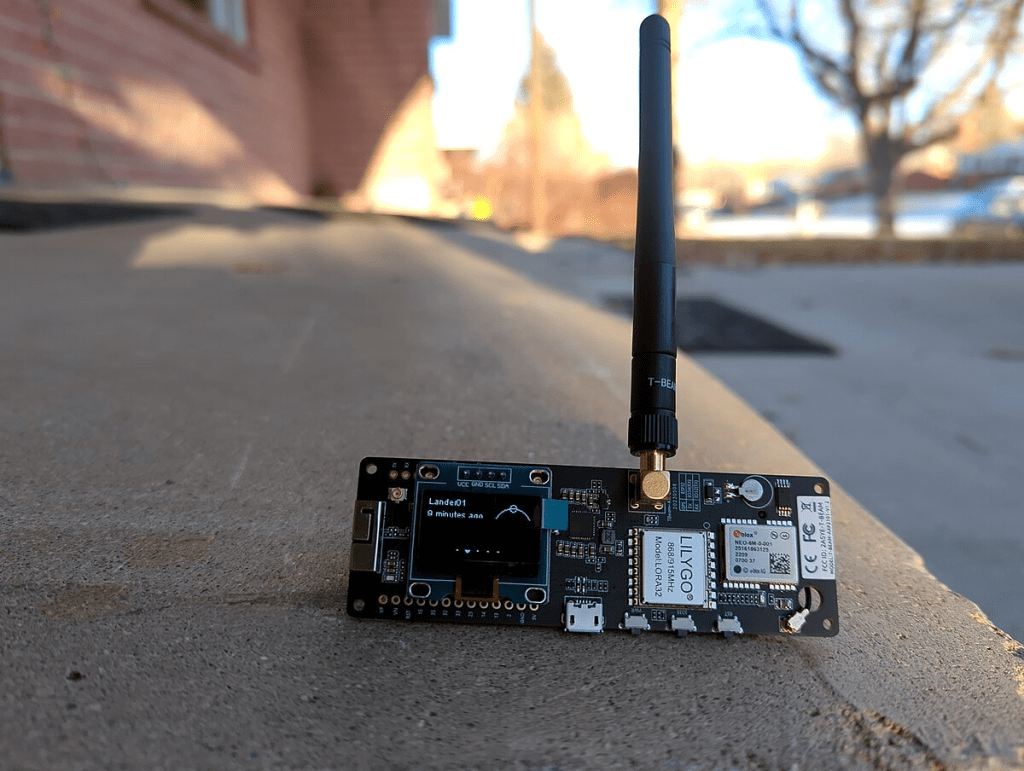
Why Choose a Meshtastic Network for Emergency Preparedness?
In today’s world, where natural disasters like hurricanes, power outages, and EMP events are increasingly common, having a dependable communication system is critical. A Meshtastic network leverages LoRa (Long Range) technology to create a decentralized, encrypted mesh network that operates without cell towers or internet access. This makes it ideal for emergency situations in rural areas, urban blackouts, or remote wilderness. Popular searches like “best off-grid communication devices 2025” and “Meshtastic for disaster preparedness” highlight its growing relevance. Unlike traditional radios, Meshtastic supports text messaging, location sharing, and even sensor integration, making it a versatile tool for community resilience.
The demand for such technology surged after events like the Texas Winter Storm Uri in 2021 (which you can read about HERE), where power and communication grids collapsed. Communities that had pre-planned mesh networks maintained coordination when others couldn’t. If you’re interested in “Meshtastic vs ham radio” or “encrypted emergency comms,” this guide will show you how Meshtastic stands out while complementing low-tech alternatives. Plus, with our linked opportunities for LoRa hardware and accessories, you can equip your network affordably.
What You’ll Need to Build Your Meshtastic Network
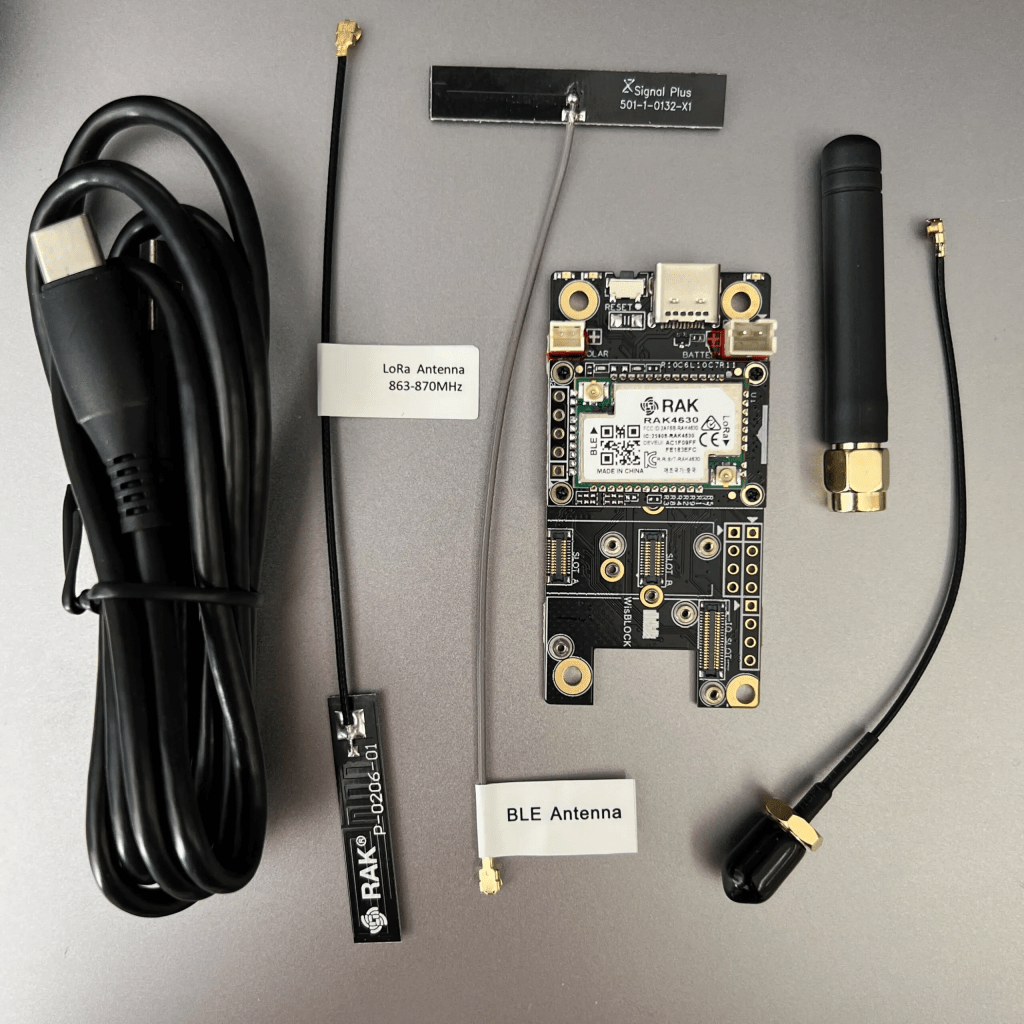
To start building your community Meshtastic network, you’ll need the right gear. Investing in high-quality, durable equipment ensures long-term reliability. Here’s a list of essentials, each offering a chance to insert affiliate links for products like LoRa boards, antennas, and power solutions:
- LoRa Board: The heart of your network. Popular options include the Heltec Wireless Tracker V3 (great for beginners with built-in OLED) or the RAK WisBlock Core (ideal for advanced users with modular design). Both are widely recommended in 2025 prepper circles.
- Antenna: Boost range with a 5.8dBi antenna or a high-gain directional antenna for long-distance coverage. Weatherproof models are a must for outdoor nodes.
- Protective Case: Shield your device with a rugged IP67 case to withstand rain, dust, and drops—essential for disaster zones.
- USB Cable: Use a heavy-duty USB-C cable for firmware flashing and power, ensuring compatibility with your LoRa board.
- Power Source: Add a solar charger or rechargeable battery pack for off-grid sustainability, especially during power outages.
- GPS Module (optional): Enhance location tracking with a NEO-6M GPS module, perfect for wilderness or urban search-and-rescue ops.
Step-by-Step Guide to Building Your Meshtastic Network
Follow these detailed steps to set up a functional Meshtastic network.
Step 1: Choose and Assemble Your Hardware
The foundation of your Meshtastic network is the LoRa device. The Heltec V3 is beginner-friendly with its all-in-one design, while the RAK WisBlock offers scalability for larger networks. Pair your board with a high-gain antenna to maximize range—up to 10 miles with line-of-sight in ideal conditions. Assemble your setup in a well-ventilated area, ensuring all connections are secure.
Step 2: Flash the Meshtastic Firmware
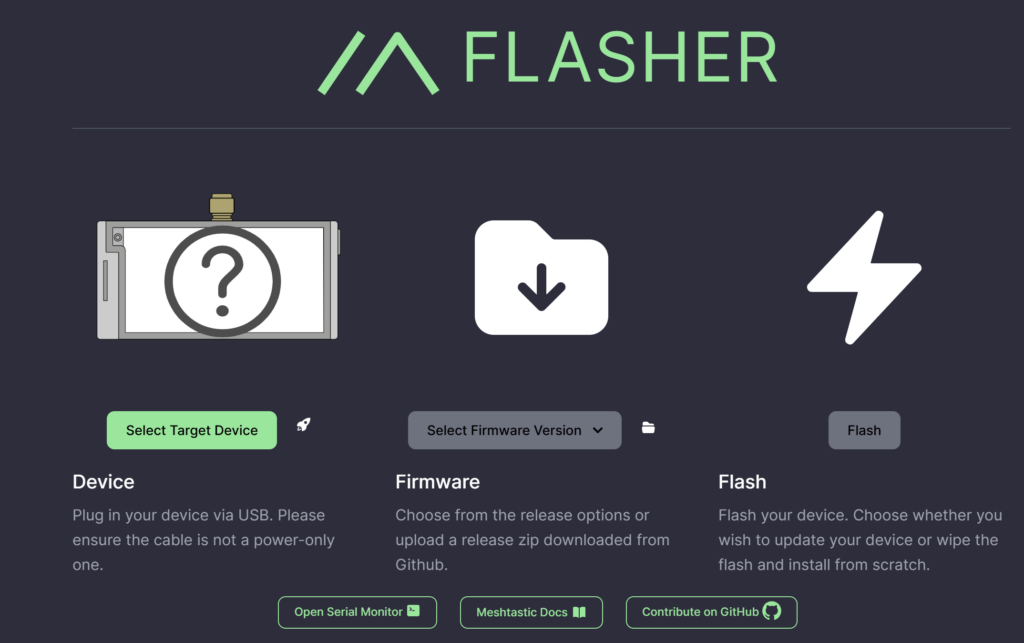
Download the latest Meshtastic firmware from the official website (meshtastic.org). Use the web flasher in Google Chrome or Microsoft Edge—open the flasher, connect your LoRa board via USB, select the stable release, and hit “Flash.” This process takes 2-5 minutes. For added functionality, integrate a GPS module to enable location sharing, a feature preppers love for team coordination.
Step 3: Configure Your Device Settings
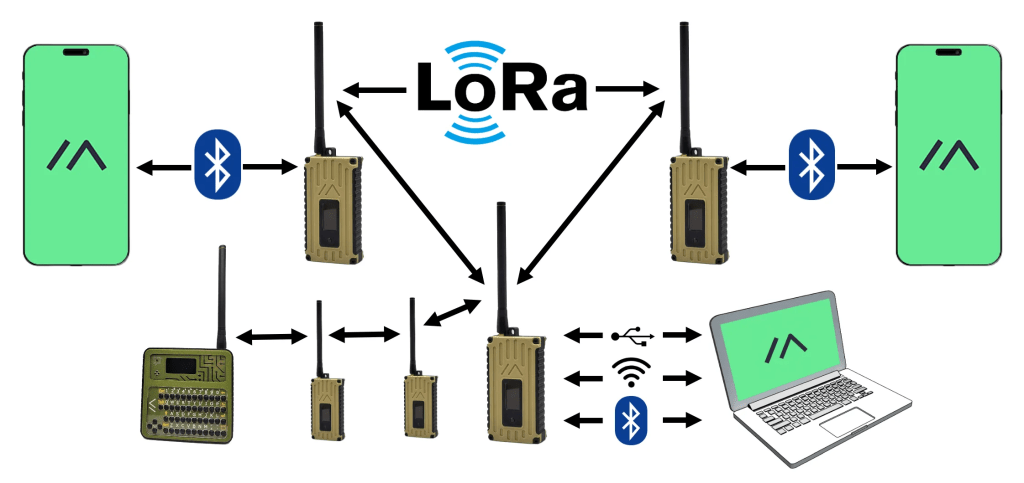
Install the Meshtastic app (available for iOS and Android) or use the web client. Connect to your device via Bluetooth or USB. Set your region (e.g., “US” for 915 MHz) to comply with local regulations, and select the “Long Range – Fast” preset for balanced performance. Create a private channel with a unique encryption key—share this only with trusted members.
Step 4: Deploy Multiple Nodes for Full Coverage
A single node won’t cut it—deploy 3-5 nodes across your community for a robust mesh. Place them on rooftops, hills, or tall structures to improve signal propagation. Use weatherproof cases and solar chargers to keep nodes running during storms or blackouts. A network this size can cover several square miles, making it perfect for rural towns.
Step 5: Test and Optimize Your Network
Send test messages between nodes to confirm connectivity. If dead zones appear, adjust antenna angles or add a repeater node with a battery pack for portability. Conduct tests monthly to ensure reliability, especially before disaster season.
Step 6: Expand and Integrate Your Community
Share your network’s QR code with neighbors or prepper groups via the Meshtastic app. Encourage members to use rugged handheld radios or smartphone apps for redundancy. Add environmental sensors (e.g., temperature or water level) for real-time data during crises.
Benefits of a Meshtastic Network for Preparedness
A Meshtastic network offers unique advantages for emergency preparedness:
- Encrypted Communication: All messages are secured with AES-256 encryption, protecting your data from interception.
- Off-Grid Reliability: Operates without cell service or Wi-Fi, critical during EMP events or grid failures.
- Scalability: Supports up to 100 devices, ideal for large communities or search-and-rescue teams.
- Versatility: Works with a single smartphone per node and integrates with GPS and sensors.
Pair your setup with a solar-powered charger or backup battery to maintain operation during extended outages.
Troubleshooting Common Meshtastic Issues
Even the best networks face challenges. Here’s how to resolve them:
- No Connectivity: Check antenna alignment or replace with a higher-gain model. Ensure firmware is updated.
- Short Range: Add a repeater node or elevate your setup. Avoid obstructions like dense forests.
- Battery Drain: Switch to a solar charger or lithium battery pack for longer life.
- Support: Join the Meshtastic community on Discord or forums for expert advice.
Low-Tech Alternatives to Complement Your Meshtastic Network
While Meshtastic excels, low-tech backups ensure resilience. Consider:
- Signal Flags/Fires: Use colored flags or fire (Warning Beacons of Gondor anyone?) for visual communication over short distances.
- Whistles: A loud whistle can signal distress in emergencies.
- Flashlights: Like fire, white light can be seen a long way.
- Morse Code: Learn basic codes for manual radio or flashlight use.

How to Grow Your Meshtastic Community
Looking to expand your local or online Meshtastic network? Here are a few ways to get started:
- Share your knowledge: Post setup guides, tips, and success stories on social media using hashtags like #Meshtastic, #PrepperTech, and #EmergencyComms to reach like-minded people.
- Host hands-on events: Organize local workshops or meetups to demonstrate how to deploy and use Meshtastic nodes. It’s a great way to build interest and trust in your community.
- Invite collaboration: Make it easy for others to connect with you. Share a contact form or email address so people can reach out for partnerships, questions, or to join your network.
Final Thoughts on Building a Meshtastic Network
Building a community Meshtastic network is a game-changer for emergency preparedness in 2025. It combines the reliability of LoRa technology with the flexibility of a mesh system, perfect for the Heartland’s rural landscapes. Whether you’re preparing for power outages, storms, or EMP events, this setup keeps you connected. Start with a single node, expand with affordable gear, and always have a low-tech fallback. Explore more tech-enhanced preparedness tips on our site, including guides on EMP protection and solar power solutions.
Ready to get started? Grab your Heltec V3, 5.8dBi antenna, and solar charger today and build a network that lasts.


Leave a comment