
Introduction
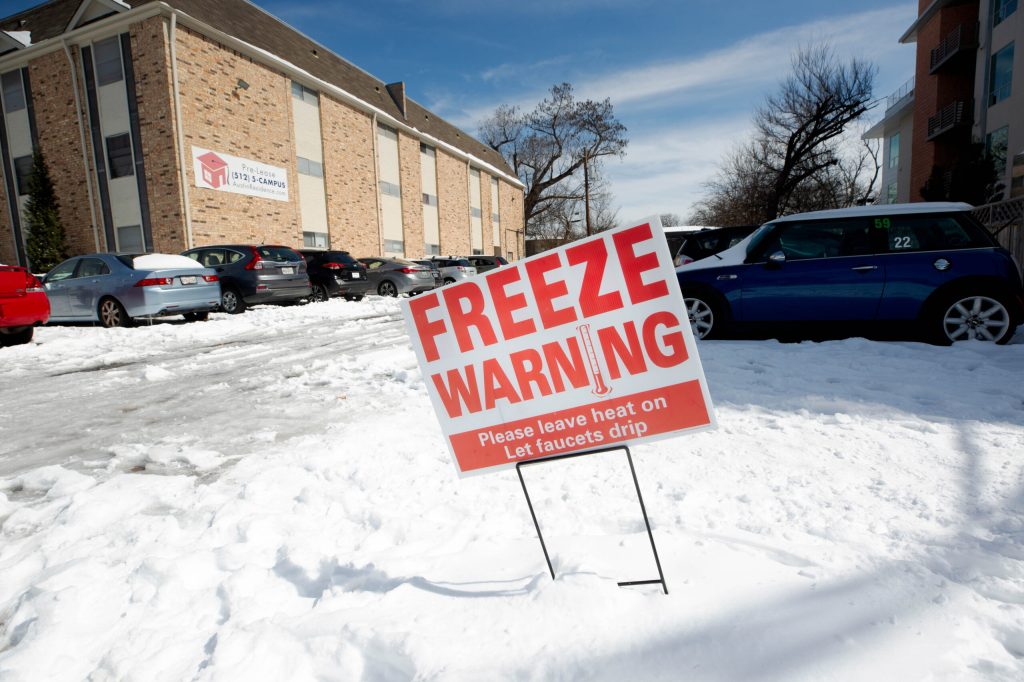
In February 2021, Texas experienced one of the most severe winter storms in its history—Winter Storm Uri. This unprecedented event led to a catastrophic power outage that affected millions of residents across the state. For several days, many Texans were left without electricity, water, or heat in freezing temperatures. The storm exposed critical vulnerabilities in the state’s power infrastructure and highlighted the importance of emergency preparedness.
During the outage, many people found themselves stranded in their cars, facing freezing temperatures that could quickly lead to hypothermia. Unfortunately, some did not survive the ordeal, highlighting the critical importance of being prepared for such emergencies.
Amidst this crisis, stories of heroism emerged that captured the spirit of community and selflessness. One particularly remarkable story is about a man who saved 24 people by breaking into a school. The school had been closed due to the power outage, but he knew that it could provide shelter and warmth for those stranded outside. Risking his own safety, he broke into the school and managed to get 24 people inside, where they could stay warm until help arrived.

Another incredible act of heroism involved a man who helped rescue 98 cars and over 140 people. Ryan Sivley, a resident of Austin, Texas, spent four grueling days hooking straps and chains to stranded vehicles and pulling them to safety. Despite suffering from chronic pain due to a previous motorcycle accident, he felt a deep sense of responsibility to help others in need. His efforts saved countless lives and provided hope to those who were stranded and desperate for help.
These stories remind us of the power of human kindness and the importance of community in times of crisis. They also underscore the need for better preparedness and infrastructure to handle such extreme weather events in the future.
The power outage was not just an inconvenience; it had devastating consequences. The combination of extreme cold and lack of power led to numerous challenges, including hypothermia, carbon monoxide poisoning, and accidents. This case study examines the causes of the power outage, the impact on residents, and essential lessons learned to better prepare for future emergencies.
Causes of the Outage
The Texas power outage during Winter Storm Uri was the result of several interrelated factors:
- Extreme Weather Conditions
- Record-Low Temperatures: Texas, a state not accustomed to prolonged freezing temperatures, faced record lows that strained the energy grid.
- Snow and Ice Accumulation: Heavy snow and ice accumulation caused physical damage to power lines and infrastructure.
- Infrastructure Failures
- Lack of Winterization: Many power plants, wind turbines, and natural gas facilities were not adequately winterized to withstand extreme cold. This led to failures in both power generation and distribution.
- Natural Gas Supply Issues: Natural gas facilities experienced equipment freezes, which disrupted the supply of gas to power plants. This was a critical issue as natural gas is a primary source of energy for Texas.
- Electric Grid Design: The Electric Reliability Council of Texas (ERCOT) operates an isolated grid, which means it cannot easily import electricity from other states during emergencies. This isolation made it difficult to compensate for the shortfall in power generation.
- Regulatory and Policy Issues
- Deregulated Energy Market: Texas’ deregulated energy market, designed to encourage competition, lacked sufficient regulatory oversight to ensure reliable winter operations.
- Inadequate Emergency Preparedness Plans: There were gaps in emergency preparedness planning at both the state and local levels, resulting in a slow and inadequate response to the crisis.

Causes of Death
The power outage had severe and often fatal consequences for many Texans. The main causes of death during this period were:
- Hypothermia
- Prolonged Exposure to Cold: With temperatures dropping below freezing and no electricity to heat homes, many people suffered from prolonged exposure to cold, leading to hypothermia. Hypothermia occurs when the body loses heat faster than it can produce it, resulting in dangerously low body temperatures.
- Vulnerable Populations: The elderly, children, and those with pre-existing health conditions were particularly at risk.
- Carbon Monoxide Poisoning
- Improper Use of Generators and Heaters: In an attempt to stay warm, some residents used generators, grills, and other combustion-based heaters indoors, which led to the accumulation of carbon monoxide—a colorless, odorless, and deadly gas.
- Lack of Ventilation: The absence of proper ventilation in homes exacerbated the risk of carbon monoxide poisoning.
- Accidents
- Slip and Fall Injuries: Ice-covered roads and walkways led to numerous slip and fall injuries, some of which were fatal.
- Vehicle Accidents: Hazardous driving conditions resulted in multiple vehicle accidents, contributing to the death toll.
The tragic outcomes of the Texas power outage underscore the need for comprehensive preparedness and resilience planning. In the following sections, we will discuss practical measures and product recommendations to help you stay safe and prepared for similar emergencies.
Preparation and Prevention
To prepare for and prevent the devastating effects experienced during events like the Texas power outage, it’s essential to have a well-thought-out plan and the right supplies. Here are practical measures and product recommendations to help you stay safe and prepared for similar emergencies.
1. Emergency Kits
Having a well-stocked emergency kit is crucial for survival during a power outage. Here are some essential items to include:
- Non-Perishable Food: Stock up on canned goods, dried fruits, nuts, and other shelf-stable items.
- Water: Keep at least one gallon of water per person per day for at least three days.
- First Aid Supplies: Include bandages, antiseptics, pain relievers, and any necessary prescription medications.
- Warm Clothing and Blankets: To prevent hypothermia, ensure you have warm clothing, hats, gloves, and thermal blankets.
Product Recommendations:
- Ready America 72-Hour Emergency Kit: Comprehensive kit with food, water, and first aid supplies –
$190.99$77.78 at time of writing. Grab it Here. - Swiss Safe Emergency Mylar Thermal Blankets: Compact, lightweight, retains up to 90% of body heat – $14.99 for 10-pack Here.
2. Backup Power Sources
Investing in reliable backup power sources can help you maintain essential functions during a power outage. Consider the following options:
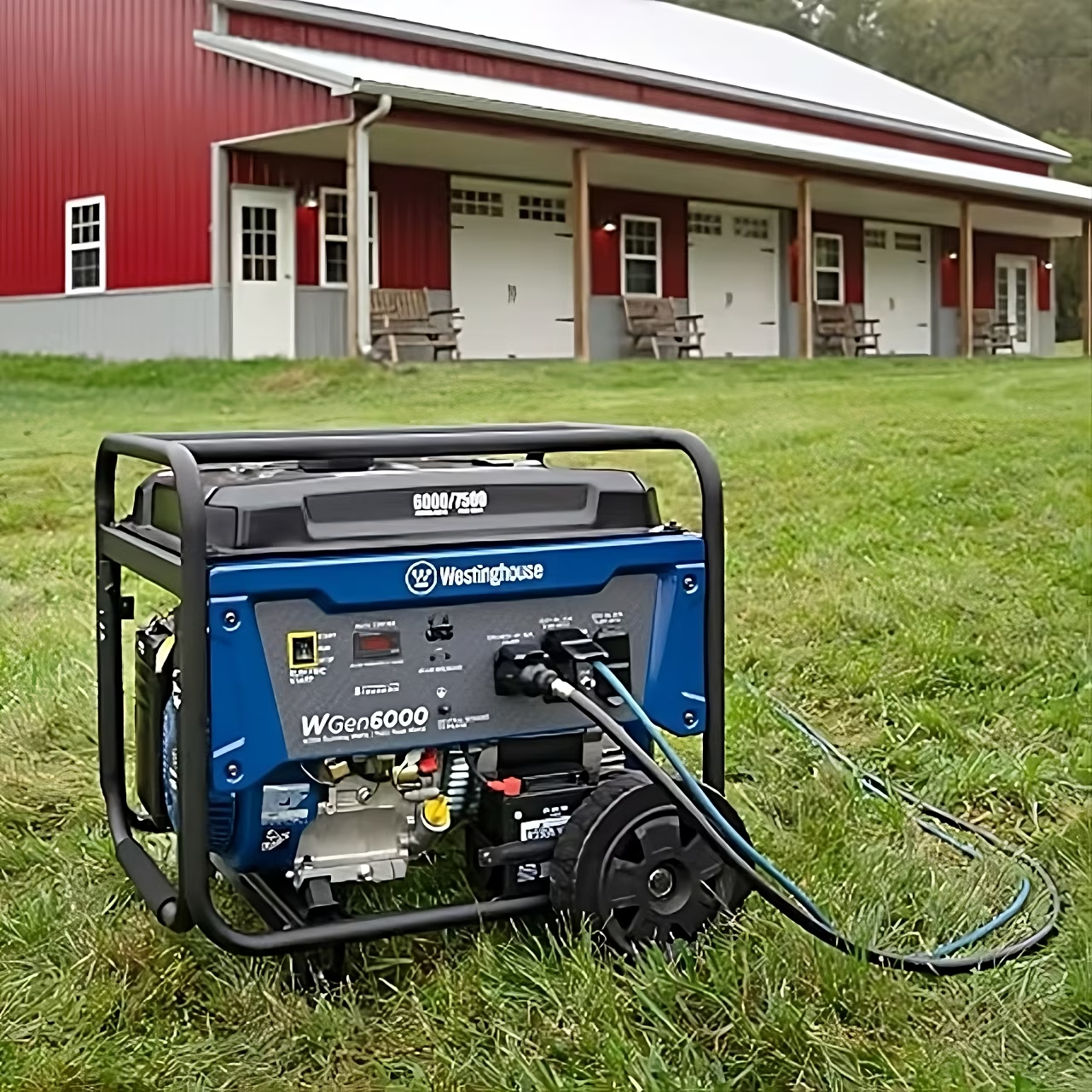
- Generators: Portable and standby generators can provide power for critical appliances. For more information, see our post about emergency heating and cooking Here.
- Solar Chargers: Portable solar chargers can keep your small devices charged during extended outages. For more information, see our post about emergency backup power sources Here.
Product Recommendations:
- Westinghouse 12500 Watt Dual Fuel Home Backup Portable Generator: Reliable dual fuel, diesel or gas powered source, easy to use – $999.99. Get it Here.
- Anker Solix PS30 Solar Panel, 30W Foldable Portable Solar Charger: Compact, efficient, multiple USB ports – $79.99. Get it Here.
3. Home Insulation and Heating
Proper insulation and safe heating methods are essential to stay warm during a power outage:
- Home Insulation: Use insulating materials to retain heat in your home.
- Portable Heaters: Battery-powered or propane heaters can provide temporary warmth.
Product Recommendations:
- Reflectix Bubble Wrap Insulation: Easy to install, effective insulation – $29.99. Get it Here.
- Mr. Heater Portable Buddy Heater MH9BX: Indoor-safe, easy to use – $119.88. Get it Here.
4. Carbon Monoxide Detectors
To prevent carbon monoxide poisoning, install battery-operated carbon monoxide detectors in your home. These detectors can alert you to dangerous levels of the gas.
Product Recommendations:
- First Alert CO615 Carbon Monoxide Detector: Reliable detection, battery-operated –
$67.99$34.89 at time of writing. Grab it Here.
5. Vehicle Emergency Kits
Keep a well-stocked emergency kit in your vehicle to be prepared for getting stranded in your car:
- Warm Clothing and Blankets: Keep extra warm clothing, hats, gloves, and blankets in your car.
- Non-Perishable Food and Water: Store some high-energy snacks and bottled water.
- Portable Phone Chargers: Ensure you have a way to charge your phone if you get stranded.
Product Recommendations:
- AUTODECO 131 Piece Car Emergency Safety Kit: Includes jumper cables, first aid kit, tire pump, tire plugs, fuses, and other essential tools – $64.99. Get it Here.
- Anker PowerCore 3 10000 Portable Charger: Compact, high-capacity, most up-to-date model – $49.99. Grab one Here.

By taking these practical steps and investing in essential products, you can significantly improve your preparedness for power outages and other emergencies. Staying informed and having the right supplies on hand can help ensure your safety and comfort during challenging times.
Conclusion
The Texas power outage during Winter Storm Uri was a stark reminder of the vulnerabilities in our infrastructure and the critical importance of being prepared for emergencies. The extreme weather conditions, combined with failures in the power grid and a lack of preparedness, led to devastating consequences, including loss of life due to hypothermia, carbon monoxide poisoning, and accidents.
However, amidst the tragedy, stories of heroism and community spirit emerged, showing the resilience and kindness of people in the face of adversity. These stories also highlighted the importance of having a plan and the right supplies to ensure your safety and the safety of your loved ones during such events.
By investing in emergency kits, backup power sources, proper insulation, and essential safety devices like carbon monoxide detectors, you can significantly enhance your preparedness for similar emergencies. Ensuring that your vehicle is equipped with emergency supplies can also be a lifesaver if you find yourself stranded.
Preparation is key, and with the right tools and knowledge, you can better navigate and survive unexpected power outages and extreme weather conditions. Stay informed, stay prepared, and take proactive steps to protect yourself and your family.
Feel free to share your thoughts and experiences in the comments below. Your insights could help others be better prepared for future power outages! Stay safe and stay prepared.


Leave a comment