

Welcome to the second entry in our three part series! Be sure to check out part one HERE.
DISCLAMER: I am not a medical professional. This information is based on industry best practices. If you have specific questions about your medication, contact your doctor. PLEASE PLEASE PLEASE leave a comment if I missed something, or got something wrong. I will change whatever I need to change to provide the best information possible!
During an extended power outage, preserving perishable foods and temperature-sensitive medicines becomes a critical challenge. Without proper refrigeration, these items can quickly spoil or lose their potency, posing serious health risks. This guide will provide you with step-by-step instructions and best practices for keeping your food and medicines safe during prolonged periods without electricity.
Part 1: Preserving Perishable Foods
Refrigerator and Freezer Management
When the power goes out, your refrigerator and freezer will gradually lose their ability to maintain safe temperatures. To maximize their cooling potential, follow these steps:
- Keep the doors closed as much as possible to prevent cold air from escaping.
- Place frozen gel packs or blocks of ice in the refrigerator and freezer to help maintain low temperatures.
- Group foods together to create thermal mass, which will help them stay cooler for longer.
- Consume perishable foods first, starting with items that will spoil the quickest.
- Keep the doors closed as much as possible to prevent cold air from escaping
- Place frozen gel packs or blocks of ice in the refrigerator and freezer to help maintain low temperatures.
- Group foods together to create thermal mass, which will help them stay cooler for longer.
- Consume perishable foods first, starting with items that will spoil the quickest.
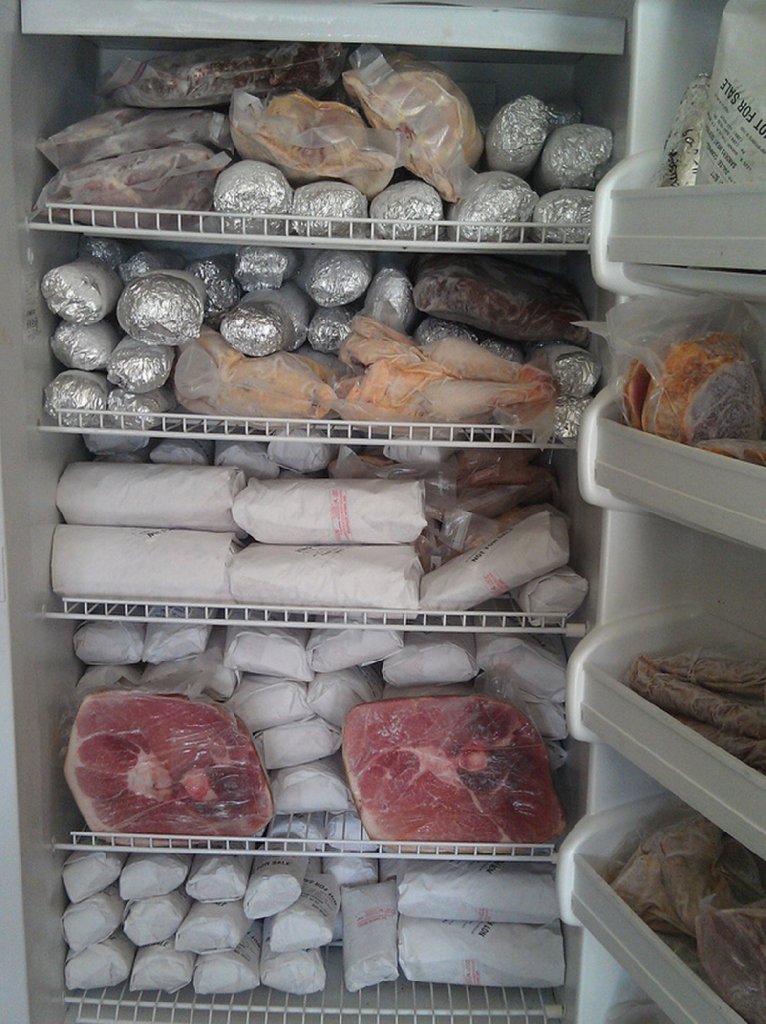
Coolers and Ice Chests
Coolers and ice chests can be an effective way to keep perishable foods cold during a power outage. Here’s how to use them effectively:
- Fill the cooler with ice or frozen gel packs, and place perishable foods inside.
- Pack the cooler tightly to minimize air pockets, which can cause faster melting.
- Avoid opening the cooler unnecessarily, as this will allow cold air to escape.
- Replenish the ice or gel packs as needed to maintain low temperatures.
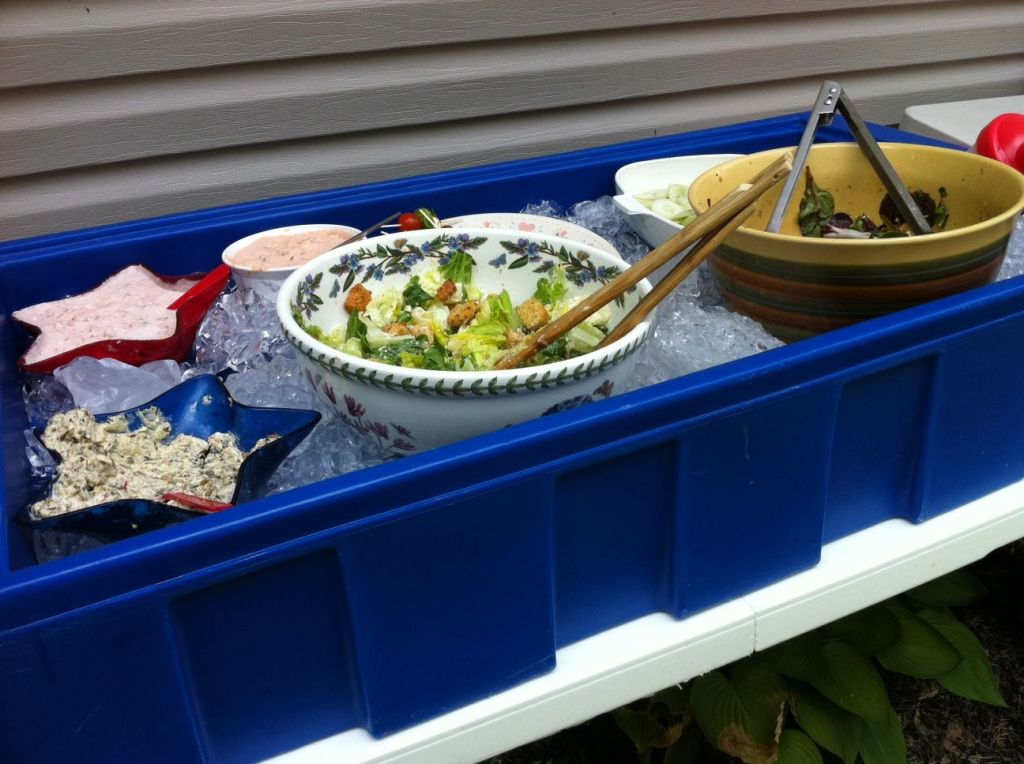
It’s not the most trendy cooler out there, but THIS ONE is a household favorite for toting lots of heavy food around the homestead.
Alternative Cooling Methods
In addition to coolers, there are other creative methods you can use to keep foods cool during a power outage:
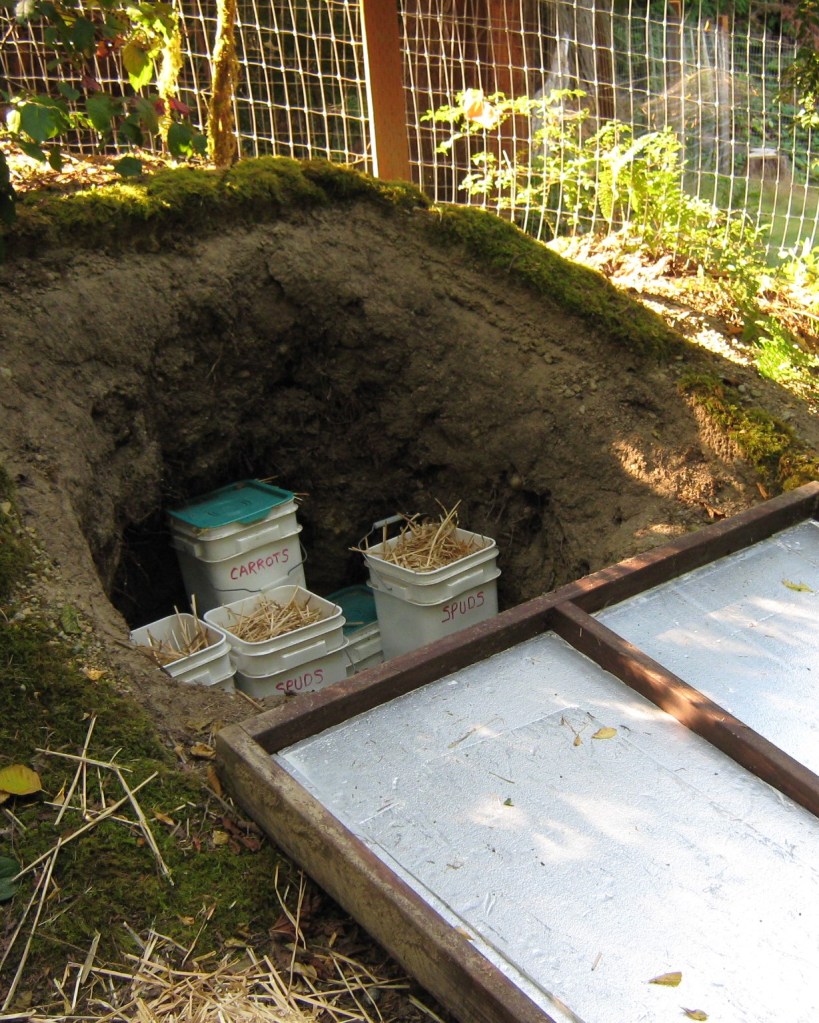
- Root Cellars: If you have access to a root cellar or underground storage area, these naturally cool spaces can help preserve certain foods for extended periods.
- Evaporative Cooling: Place perishable foods in a covered container or wrap them in a damp cloth. As the water evaporates, it will create a cooling effect.
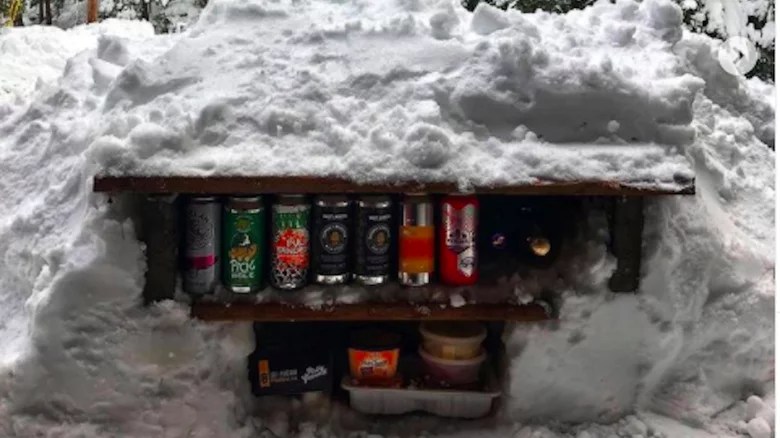
- Snow or Ice: If you live in a cold climate, you can bury perishable foods in snow or pack them in ice to keep them cool.
Part 2: Preserving Refrigerated Medicines
Identifying Temperature-Sensitive Medicines
Not all medicines require refrigeration, but some are temperature-sensitive and can lose their potency or become ineffective if exposed to high temperatures. Common examples include:
- Insulin and other diabetes medications
- Certain antibiotics and antiviral drugs
- Epinephrine auto-injectors (EpiPens)
- Certain vaccines and biological products
Cooler Storage
Similar to perishable foods, refrigerated medicines can be stored in coolers or ice chests during a power outage. Follow these guidelines:
- Pack the medicines tightly with ice or frozen gel packs to maintain low temperatures.
- Avoid opening the cooler unnecessarily to prevent warm air from entering.
- Monitor the temperature inside the cooler and replenish the ice or gel packs as needed.
Alternative Storage Options
If coolers are not available or practical, consider these alternative storage options for refrigerated medicines:
- Insulated Bags or Boxes: Use insulated bags or boxes filled with ice or frozen gel packs to keep medicines cool.
- Underground Storage: If you have access to a root cellar or underground storage area, these naturally cool spaces can help preserve temperature-sensitive medicines.
- Portable Refrigerators or Freezers: If you have access to a generator or alternative power source, consider using a portable refrigerator or freezer specifically for storing medicines.
Part 3: Food and Medicine Safety
Food Safety Guidelines
During a power outage, it’s essential to follow proper food safety guidelines to prevent foodborne illnesses:
- Use a food thermometer to check the internal temperature of perishable foods. Discard any items that have been above 40°F (4°C) for more than two hours.
- Avoid consuming any foods that have an unusual odor, color, or texture, as these can be signs of spoilage.
- When in doubt, throw it out. It’s better to be safe than risk consuming contaminated or spoiled food.
Medicine Safety Guidelines
Temperature-sensitive medicines can lose their potency or become ineffective if exposed to high temperatures. Follow these guidelines:
- Check the manufacturer’s instructions for proper storage temperatures and expiration dates.
- Discard any medicines that have been exposed to temperatures outside the recommended range for an extended period.
- If you’re unsure about the safety or potency of a medication, consult with a healthcare professional or pharmacist.
Power Restoration
Once power is restored, take the following steps to ensure the safety of your food and medicines:
- Check the temperature of your refrigerator and freezer. Discard any perishable foods that have been above 40°F (4°C) for more than two hours.
- Inspect all refrigerated medicines for signs of spoilage or damage. Discard any items that appear compromised.
- Restock your emergency supplies and replenish any items that were used or expired during the power outage.
Part 4: Emergency Preparedness
Stockpiling Non-Perishable Foods
To minimize the impact of a power outage on your food supply, it’s essential to have a well-stocked pantry of non-perishable foods. Consider stockpiling items such as:
- Canned goods (fruits, vegetables, beans, soups, etc.)
- Dried foods (pasta, rice, oats, cereals, etc.)
- Shelf-stable proteins (canned meats, nuts, nut butters, etc.)
- Powdered milk and other shelf-stable dairy products
- Bottled water and other non-perishable beverages
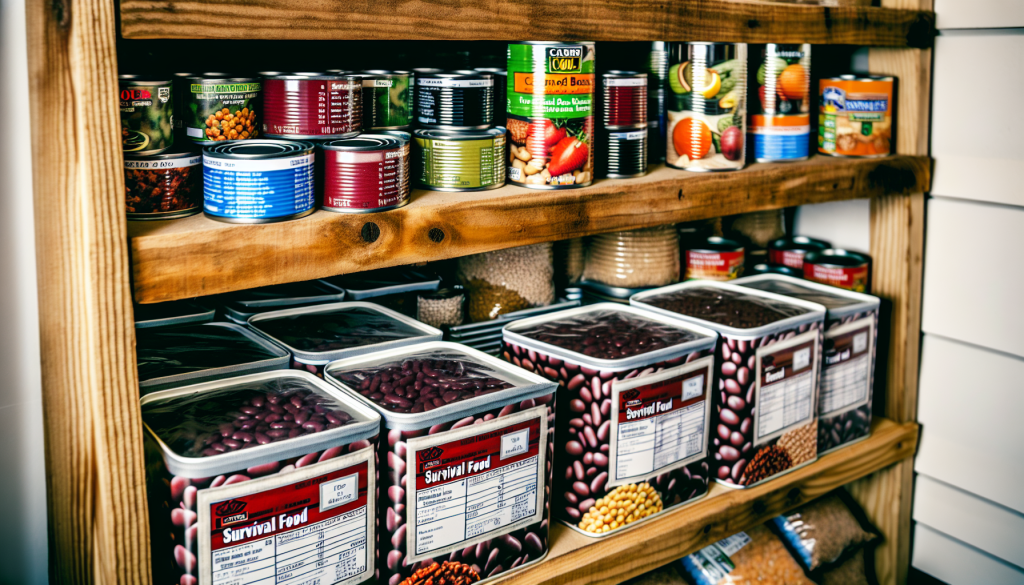
Don’t have any food stockpiled? Grab 120 servings for less than a dollar a piece from HERE
Emergency Medicine Supplies
In addition to your regular medications, it’s a good idea to have an emergency supply of essential medicines on hand. Work with your healthcare provider to obtain extra supplies of any critical medications you or your family members require.
Conclusion
Preserving food and protecting temperature-sensitive medicines during an extended power outage requires a multi-faceted approach. While having backup power sources like generators or solar systems can provide a temporary solution, it’s equally crucial to implement proper food storage techniques and prioritize the most critical items.
Maintain a well-stocked supply of non-perishable foods, rotate your stock regularly, and have a plan for cooking without electricity. Invest in high-quality coolers, ice packs, and thermal blankets to create makeshift refrigeration units for perishable items. And above all, prioritize the safety of life-sustaining medications by keeping them properly insulated and exploring alternative storage options if necessary.
Preparedness is not just about stockpiling supplies; it’s about developing a comprehensive strategy that accounts for various scenarios. By following the guidelines outlined in this guide, you can minimize the risk of food spoilage, safeguard your health, and maintain a sense of normalcy during even the most prolonged power disruptions.
Remember, emergencies can strike at any time, and being proactive is key to ensuring the well-being of you and your loved ones. Don’t wait until it’s too late – take action now to fortify your emergency preparedness plan and gain peace of mind knowing that you’re ready to weather any storm that comes your way


Leave a comment