

Welcome to the first post in this three-part series!
In the event of a power outage, having a reliable backup power source is crucial for maintaining essential functions and minimizing disruptions to your daily life. This guide will provide a detailed overview of the different types of backup power sources available, their pros and cons, and step-by-step instructions for selecting and maintaining the right solution for your needs.
If you are retrofitting or outfitting a new home, be sure to consult with an electrician unless your are absolutely confident in your abilities. Of course, I’m always here to say “I told ya so” but I can’t control your actions, so make good decisions folks. A penny saved isn’t always a penny earned if your preps end up in a pile of smoking ash.
Part 1: Understanding Backup Power Sources
Portable Generators
Portable generators are one of the most common and versatile backup power sources. They are fueled by gasoline, propane, or diesel and can provide electricity for a wide range of appliances and devices. Most importantly, you can take some of them with you if you plan to evacuate.
Pros
- Powerful and capable of running multiple appliances simultaneously
- Portable and can be moved to different locations
- Suitable for both short-term and extended power outages
Cons
- Require regular maintenance and fuel refilling
- Produce noise and exhaust emissions
- Limited runtime depending on fuel tank capacity (consider gasification as a contingency for areas with a lot of wood)
Get started HERE
Inverter Generators
Inverter generators are a more advanced and efficient type of portable generator. They use an inverter to produce clean, stable power suitable for sensitive electronics.
Pros
- Quieter and more fuel-efficient than traditional generators
- Produce clean power suitable for sensitive electronics
- Compact and lightweight design
Cons
- Generally more expensive than traditional generators
- Lower power output compared to similarly sized traditional generators
- Still require regular maintenance and fuel refilling (consider gasification as a contingency for areas with a lot of wood)
Get started HERE
Solar Power Systems
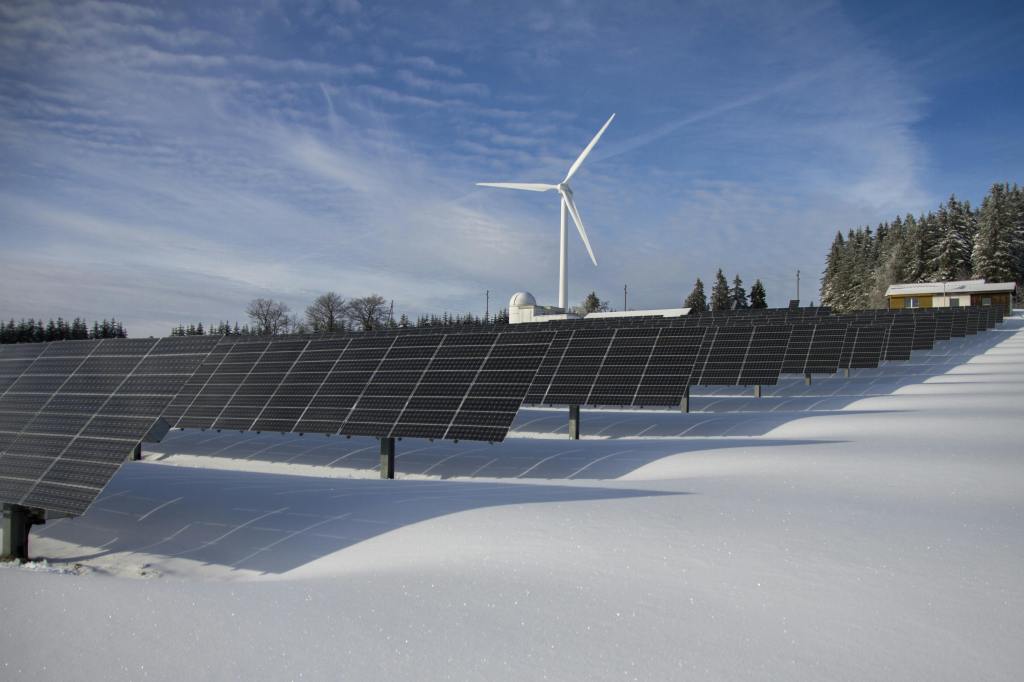
Solar power systems harness energy from the sun and convert it into electricity using photovoltaic (PV) panels. They can be an excellent backup power source, especially in areas with abundant sunlight. Look for our proprietary solar calculator in the future (email subscribers only)!

Pros
- Renewable and environmentally friendly
- Low maintenance and operating costs
- Can be scaled to meet various power needs
Cons
- Initial installation costs can be high
- Dependent on sunlight availability
- Require batteries or other storage solutions for nighttime or cloudy conditions
Get started HERE
Battery Backup Systems
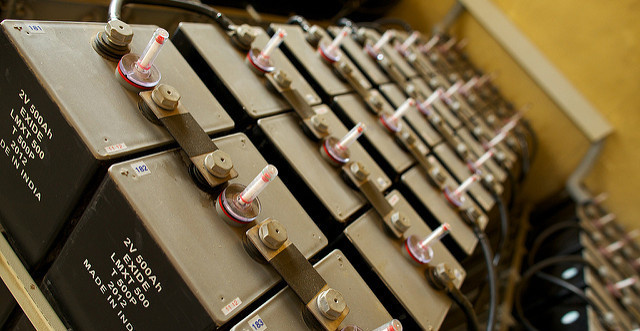
Battery backup systems store electrical energy in rechargeable batteries, providing power during outages. They are often used in conjunction with solar power systems or as standalone units. How many batteries do you need? Do the math to figure out how many amp hours the essentials in your home use and then buy the appropriate amount of batteries. Yea, I know, big help… our solar calculator will do this for you as well (email subscribers only)!
Pros
- Silent operation and no emissions
- Instant power availability
- Can be used indoors or in enclosed spaces
Cons
- Limited runtime depending on battery capacity
- Batteries need to be replaced periodically
- May require additional charging sources (solar, generator, etc.)
Wind Turbines
Wind turbines harness the kinetic energy of wind to generate electricity. They can be installed as small residential units or large-scale wind farms.

Pros
- Renewable and sustainable energy source
- No emissions or pollution during operation
- Can provide power for homes, businesses, or feed into the grid
- Long lifespan of 20-25 years for modern turbines
Cons
- Requires sufficient and consistent wind speeds
- Can be noisy and visually obtrusive
- Initial installation costs can be high
- Potential impacts on wildlife (birds, bats)
Get started HERE
Hydropower Systems
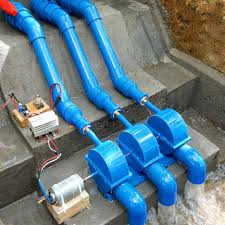
Hydropower systems generate electricity by harnessing the power of moving water, typically from rivers, streams, or man-made reservoirs.
Pros
- Renewable and sustainable energy source
- Relatively low operating costs once installed
- Can provide reliable baseload power
- Long lifespan of hydropower plants (50-100 years)
Cons
- Limited suitable locations with adequate water flow
- Can disrupt natural ecosystems and fish migration patterns
- Large-scale projects require significant upfront costs and construction
- Drought conditions can reduce power output
Geothermal Power Plants
Geothermal power plants use the heat from the Earth’s interior to generate electricity, often by tapping into underground reservoirs of steam or hot water.
Pros
- Renewable and sustainable energy source
- Highly reliable and consistent power output
- Low emissions and minimal environmental impact
- Can provide baseload power 24/7
Cons
- Limited to areas with geothermal activity (volcanic regions, hot springs, etc.)
- High upfront costs for exploration, drilling, and plant construction
- Potential for ground instability or subsidence in some cases
- Challenges in finding and accessing suitable geothermal reservoirs
If you’re a DIY guy/gal like me… read up on this topic HERE
Part 2: Selecting the Right Backup Power Source
Assessing Your Power Needs
Before selecting a backup power source, it’s essential to assess your power needs. Consider the following factors:
- Critical appliances and devices that need to be powered (refrigerator, lights, medical equipment, etc.)
- Total wattage requirements for these appliances
- Duration of power outages you need to prepare for (short-term or extended)
- Availability of fuel sources (gasoline, propane, etc.) in your area
- Outdoor or indoor use requirements
Before you dive into looking at your past electric bills to estimate your power needs… it is absolutely essential that you have an honest conversation with yourself and determine what is a need vs a “nice to have.” What do you actually need?
For example, you might determine that you need your refrigerator, a method of cooking and heating (assuming you have no fireplace or wood stove), and a few lights and open outlets for charging things like phones and other small electronics. You may notice that I did not include the washer and dryer, the PlayStation or computer, the electric stove, air fryer, etc. These might be “needs” in your mind because you rely on them for something… but the reality is most of the things you use every day are designed for instant gratification and convenience and have a primitive or analog alternative. They also use a ton of power. Go and do the math on a solar system to support that 20,000 kW a year home you live in now (yes, I’m projecting a bit) and then you’ll understand why you should only be backing up the essentials.
Choosing the Appropriate Backup Power Source
Based on your power needs assessment, your location, and your philosophy of use, you can choose the most suitable backup power source or combination of sources:
- For short-term outages and moderate power needs, a portable generator or inverter generator may be sufficient.
- For extended outages or larger power requirements, consider a solar power system with battery backup or a combination of a generator and solar system.
- For critical medical equipment or sensitive electronics, an inverter generator or battery backup system may be the best option to provide clean, stable power.
If you are fortunate enough to harness a few, or all, of the alternative power sources, a combination of all discussed sources (with fuel-dependent generation being the emergency alternative) is the best answer.
Part 3: Installation and Maintenance
Consider assigning certain circuits in your home as emergency circuits if you are living partially on grid. Why? Well, because that’s what the medical field practices. Learn from the experts, right?

Hospitals and nursing homes have red outlet covers over certain outlets. These are reserved for life-support and other critical needs-based systems to maintain human life. Why is it red? Because they are the only outlets connected to the generators when the power goes out. I suggest using this same strategy. Your critical systems in your home should basically always be “air gapped” from the regular grid. If your critical systems are already relying on your off-grid solution, then the only thing you lose (and pay for monthly) are the “nice to haves” plugged into your regular, non-emergency, outlets. This literally takes the thinking out of it, if you start with this mindset from the beginning
Portable Generators
- Follow the manufacturer’s instructions for proper installation and ventilation.
- Ensure the generator is placed in a well-ventilated area, away from windows, doors, or vents to prevent carbon monoxide poisoning.
- Regularly check and maintain the generator according to the manufacturer’s recommendations (oil changes, air filter replacements, etc.).
- Store fuel safely and properly, away from ignition sources and in approved containers.
Many homes can be outfitted with external generator jacks so you can attach your generator to your home and leave it outside where it belongs. This is far superior to using extension cords to access your power, as it relies on the already established circuits in your home (as discussed above).
Solar Power Systems
- Hire a professional solar installer or follow detailed instructions for proper installation and wiring.
- Ensure the solar panels are positioned for optimal sun exposure and free from shading.
- Regularly clean the solar panels to maintain efficiency.
- Inspect and maintain the battery bank according to the manufacturer’s recommendations.
Battery Backup Systems
- Follow the manufacturer’s instructions for proper installation and ventilation.
- Ensure the battery backup system is installed in a cool, dry, and well-ventilated area.
- Regularly check and maintain the batteries according to the manufacturer’s recommendations (charging, cleaning terminals, etc.).
- Replace the batteries as needed, typically every 3-5 years, depending on usage and type.
Safety Considerations
- Never operate generators or other fuel-powered backup sources indoors or in enclosed spaces due to the risk of carbon monoxide poisoning.
- Follow all local codes and regulations regarding the installation and use of backup power sources.
- Ensure proper grounding and electrical connections to prevent electrical hazards.
- Keep backup power sources and fuel sources away from children and pets.
Conclusion
Securing a reliable backup power solution is a crucial aspect of emergency preparedness. Whether you choose a portable generator, solar power system, battery backup, or a combination of these options, having a plan in place to maintain power during outages can be life-saving.
The key is to carefully evaluate your specific needs, consider factors like runtime requirements, fuel availability, and ease of operation. Don’t wait until an emergency strikes to think about backup power – be proactive and have a system ready to deploy at a moment’s notice.
Proper maintenance and testing of your backup power equipment is equally vital. Regularly check fuel levels, battery conditions, and system functionality to ensure everything is in working order when you need it most. Consider incorporating your backup power plan into larger emergency drills and exercises.
Ultimately, a robust backup power strategy is an investment in resilience. It provides illumination, powers critical devices, and maintains essential services during prolonged outages. With the right solution in place, you can minimize disruptions, reduce stress, and have the energy security to focus on overcoming other challenges during an emergency.
Backup power is more than just a luxury – it’s a necessity for those serious about preparedness. By following best practices and this comprehensive guide, you can select and maintain an effective system tailored to your circumstances. Don’t let a power outage catch you unprepared – take control of your energy needs and enhance your family’s or community’s self-reliance in the face of adversity
Check out the next entry in the power outage series!


Leave a comment