
Introduction
In the face of disasters and emergencies, the strength and resilience of a community can make a significant difference in how well it weathers the storm and recovers from its impacts. I’m going to open with a profound, controversial, yet absolutely TRUE statement:
When the “grid goes down,” and travel on foot is the only method you have left… chances are high you will NEVER see anyone more than a days walk away again.

Think about that. Who will be your enemies? Who will be your friends? Who lives around you? What skills do they have? They all probably live within 10 miles of you or less, because the majority of the population probably can’t walk that far in a week, let alone a day. When the internet and cell phones dissappear, the world is going to become incredibly small.
This isn’t fear mongering. It’s die hard fact. As your bug out vehicle breaks down, or the gas runs out, you’re gonna have to rely on your feet. It only makes logical sense to make your community as close to your preps as you can. You don’t want to be wasting all those calories walking to your buddies for medicine, just to have to make the same trip home. There are so many variables to consider… this can be avoided if you do the hard work up front… community building.
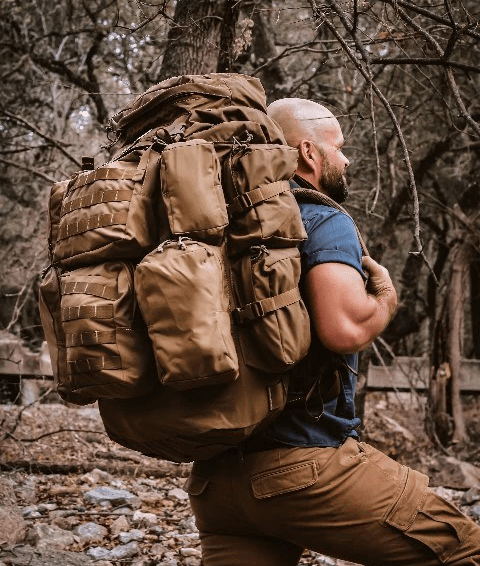
Everyone needs to rethink what “community” means to them and for the love of God… get off the internet and go meet people.
The point is… the only thing you can count on to be there when you need it is your own body and your community.
Oh, and take your fitness and health seriously, but that’s for another post…
Building a strong, prepared community is not just about individual preparedness efforts; it’s about fostering a sense of unity, cooperation, and shared responsibility. This guide will explore various aspects of community building for disaster preparedness, including leveraging existing organizations, establishing preparedness communities, and exploring land sharing opportunities.
Leveraging Existing Organizations
Local Emergency Planning Committees (LEPCs)
LEPCs are community-based organizations that work to understand the hazards present in their communities and develop emergency response plans. These committees typically consist of representatives from various sectors, including emergency management, law enforcement, fire departments, healthcare, industry, and community groups.
Joining or collaborating with your local LEPC can provide valuable insights into the potential risks and hazards in your area, as well as the existing emergency response plans. LEPCs can also serve as a platform for community members to voice their concerns and contribute to the planning process.
Community Emergency Response Teams (CERT)
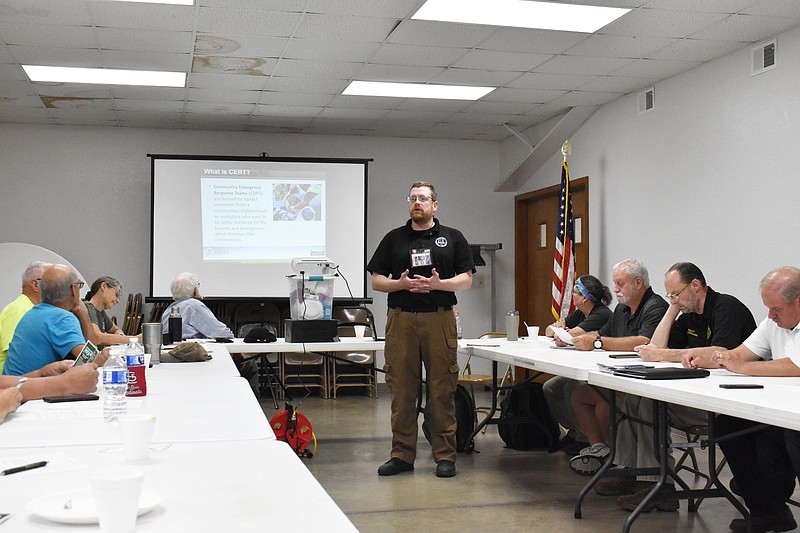
CERT programs train volunteers to prepare for and respond to emergencies in their communities. These teams receive instruction in basic disaster response skills, such as fire safety, light search and rescue, team organization, and disaster medical operations.
Participating in a CERT program not only equips you with valuable skills but also connects you with like-minded individuals who share a commitment to community preparedness. CERT teams can play a crucial role in supporting emergency services during disasters and fostering a culture of preparedness within their communities.
Mutual Assistance Groups (MAGs)
Mutual Assistance Groups, also known as Neighborhood Emergency Response Groups (NERGs), are grassroots organizations formed by community members to support each other during emergencies. These groups typically consist of neighbors who collaborate on preparedness efforts, share resources, and develop plans for responding to disasters. If a MAG or NERG is a hard sell for your neighbors, propose a neighborhood watch and go from there. Most of the time getting buy-in is the hard part, but once you have attracted the right neighbors, what you call yourself doesn’t matter.
Joining or forming a MAG can help strengthen the bonds within your community and ensure that everyone has access to the resources and support they need during an emergency. MAGs can also serve as a platform for sharing knowledge, skills, and best practices related to disaster preparedness.
Preparedness Communities and Land Sharing
As the desire for self-sufficiency and resilience grows, many individuals and families are exploring the concept of preparedness communities and land sharing opportunities. These communities are built around the principles of sustainable living, off-grid capabilities, and collective preparedness efforts.
The Land Buyer’s Guide we previously wrote provides valuable insights into the factors to consider when searching for suitable land for an off-grid, self-sustaining homestead. These factors include water sources, soil quality, climate patterns, renewable energy potential, building regulations, access and infrastructure, natural resources, and community considerations.
When evaluating potential locations for a preparedness community, it’s crucial to consider the legal and regulatory frameworks of different governments and jurisdictions. Some areas may be more conducive to land sharing and alternative living arrangements than others.
Community Management
We are only going to touch the high notes here. I could talk about leadership until my fingers bleed… but the first question you have to ask yourself, and BE HONEST.
Are you a leader? Are you the person that YOU would follow? If the answer is yes, then maybe you could being to consider starting your own community.
But, again, we’re being honest here, if you know you have a flaw that may hold you back (narcissim, PTSD, BPD, Depression, Anxiety, introvert, inexperienced, etc) you may want to take a long hard look at how that will impact your life as a “leader.” You may have your issues under control, or you may not even know about them. Your community WILL FAIL if you aren’t a leader and completely in control of yourself and your life. Also, if a natural leader arises, and its not you (and they WILL arise on their own), be humble and honest enough to be a good follower if you can’t lead. Get out of your own way. The only food with infinite supply is humble pie. Eat it often.
One final note. Choosing to be a leader in a situation like this isn’t a part-time gig. Be prepared to make it your entire identity. That is what is required, nothing less.
When it comes to governing a land sharing community focused on preparedness and self-sufficiency, it’s essential to establish a system that promotes cooperation, shared responsibility, and collective decision-making. Allocate your resources however your situation dictates. Here are some key considerations:
Resource Management and Trade
Develop a system for sharing and managing resources within the community. This could involve establishing a barter or trade system where members exchange goods, services, or skills based on their abilities and needs. Encourage specialization, where individuals or groups focus on specific areas such as food production, construction, or renewable energy, and then trade their surplus with others.
Task Delegation and Collaboration
Identify the various tasks and responsibilities required to maintain the community’s operations and ensure its preparedness. These could include food cultivation, water management, security, education, and emergency response. Establish a transparent process for delegating these tasks based on individual strengths, interests, and availability. Foster a culture of collaboration, where members work together and support each other in achieving common goals.
Decision-Making and Conflict Resolution
Implement a participatory decision-making process that allows all community members to have a voice and contribute to important decisions that affect the collective. This could involve regular town hall meetings, consensus-based decision-making, or a council of elected representatives. Additionally, establish a fair and impartial system for resolving conflicts that may arise within the community.
Education and Skill-Sharing
Encourage the sharing of knowledge and skills among community members. Organize workshops, training sessions, and mentorship programs to ensure that essential skills are passed down and new members are adequately prepared. This could include topics such as first aid, emergency response, sustainable agriculture, and renewable energy systems.
It is critical that a would-be leader understands that no one is too fat, old, young, or dumb to be useful. Every person has a skill. EVERYONE knows something. Sure, that 400 pound dude down the street might be worthless in a gun fight… but what if he’s an expert in horticulture? Yea, that old frail woman that hates guns and has too many cats… you probably don’t see the world the same way (like it matters… really) but what if she used to be a world-class surgeon? Get out of your house and meet your neighbors, you can’t always pick them. Even people you don’t like can be an asset.
We military guys usually stop at face value with our “community.” We are quick to assess people tactically and dismiss them if they don’t fit the fire team. Realistically, how often are we in combat? Even in non-permissive environments on the government’s payroll, actual troops-in-combat situations are only a blip in a very long career of living in the field and doing online training. You are more than a rifle, so don’t expect to just “be a killer” and have people throw food at you.
“It is better to be a warrior in a garden, than a gardener in a war.”
― Miyamoto Musashi, The Book of Five Rings
You don’t want to admit it, but ANYONE can be a “static fighting position” for security. Everyone has their place, if they don’t, you aren’t looking objectively enough. Shooting a rifle is easy, stop pretending you are the main character if that’s your only skill. That’s Instagram operator fluff. Again, leadership isn’t for everyone.
Security and Emergency Preparedness
Develop a comprehensive emergency preparedness plan that addresses various scenarios, such as natural disasters, power outages, and potential threats. This should be based on the threats in your area (see the Land Buyer’s Guide for sources). Assign roles and responsibilities for emergency response, establish communication protocols, and conduct regular drills and exercises to test and refine the plan. Consider implementing security measures, such as perimeter defenses or a neighborhood watch system, to protect the community.
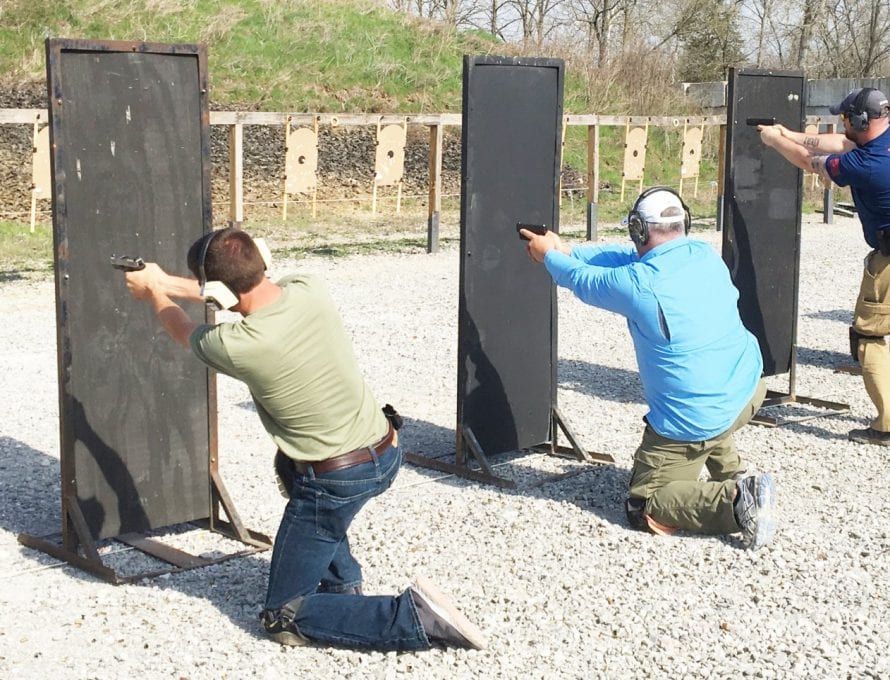
Play red team, blue team. Test your response times. Can you really load that pallet of ammo and gold into your truck and “bug-out” like the influencers tell you to? Probably not. Test your plans, because they rarely survive first contact. Practice PACE planning; Primary, Alternate, Contingency, and Emergency. Every plan needs a backup, to the backup. You get it.
Sustainability and Environmental Stewardship
Promote sustainable living practices and environmental stewardship within the community. Encourage the use of renewable energy sources, water conservation techniques, and sustainable agriculture methods. Implement waste management systems and explore opportunities for recycling and repurposing materials. Foster a deep respect for the land and natural resources that sustain the community. It sounds like hippy stuff… but if you expect the land to take care of you, then you should expect to take care of the land. Anything less is consumer grade garbage (literally).
Building a Resilient Community
Regardless of whether you choose to join an existing preparedness community or establish your own, fostering a resilient and self-sufficient community requires a collective effort. Here are some key considerations:
- Skill Sharing and Education:
- Encourage community members to share their knowledge and expertise in areas such as gardening, food preservation, first aid, renewable energy, and construction.
- Organize workshops, classes, and training sessions to facilitate the exchange of skills and information.
- If you are not the leader… BE A GREAT FOLLOWER.
- Resource Pooling and Bartering:
- Establish systems for sharing resources, tools, and equipment within the community.
- Explore bartering opportunities for goods and services, reducing reliance on external supply chains.
- Emergency Planning and Response:
- Develop comprehensive emergency plans that address various scenarios, such as natural disasters, power outages, and supply chain disruptions.
- Assign roles and responsibilities to community members based on their skills and abilities.
- Conduct regular drills and exercises to test and refine emergency response plans.
- Sustainable Living Practices:
- Implement sustainable practices such as permaculture, rainwater harvesting, composting, and renewable energy systems.
- Encourage community members to reduce their environmental footprint and embrace a self-sufficient lifestyle.
- Community Governance and Decision-Making:
- Establish a system of governance that promotes transparency, accountability, and inclusive decision-making processes.
- Foster open communication and conflict resolution mechanisms to address potential disagreements or challenges within the community.
- Networking and Collaboration:
- Establish connections with other preparedness communities, organizations, and experts in the field.
- Participate in regional or national events, conferences, and forums related to disaster preparedness and sustainable living.
- Collaborate with local authorities, emergency services, and community groups to strengthen preparedness efforts and foster mutual understanding.
Conclusion
Building a resilient and prepared community is a continuous journey that requires dedication, collaboration, and a shared vision. By leveraging existing organizations, exploring preparedness communities and land sharing opportunities, and fostering a culture of self-sufficiency and sustainable living, we can increase our chances of weathering disasters and emergencies with greater resilience and unity.
Remember, preparedness is not just an individual responsibility; it’s a collective effort that requires the participation and cooperation of entire communities. By working together, sharing knowledge and resources, and embracing a spirit of mutual support, we can create a more resilient and self-sufficient future for ourselves and generations to come.


Leave a comment